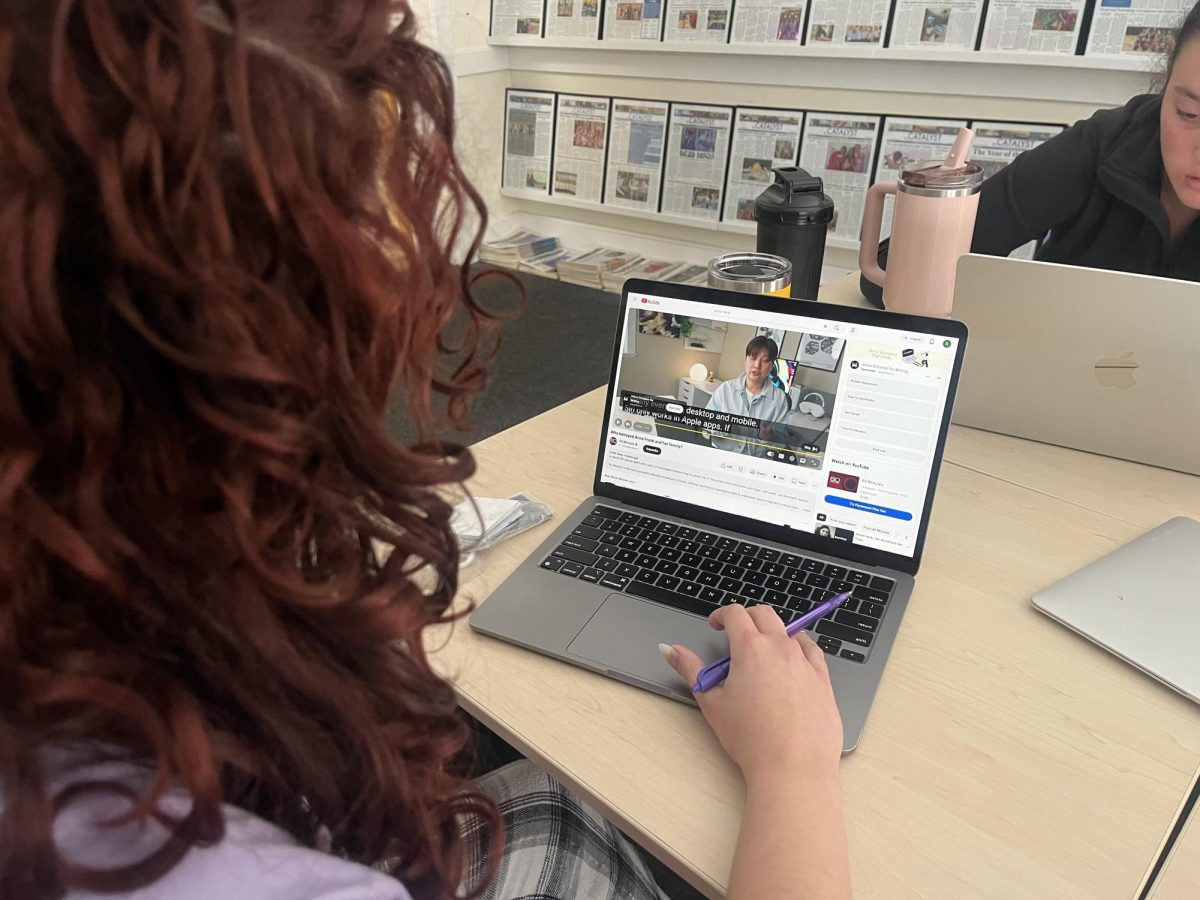
Most complaints made by students don’t necessarily have to do with the content of their classwork, but the amount of work and time they are given to complete it. Here at NDB, it is told by staffulty that students should receive no more than an hour of homework each night, but with this amount of homework for each class, students end up completing a second school day when they go home.
Often, homework and classwork that is assigned are there to prepare students for the next lesson. Through using the textbook or online documents, students figure out the work themselves. This, combined with a large workload, is what leads students to focus more on completing the work than learning and studying the material.
What students see is the grade they will receive for completing their work, rather than taking the time to fully understand what it is they are completing. By assigning two or three assignments a week rather than five to seven, students would be able to take their time doing the work and be able to apply it to what they are learning in class.
Sophomore Lorea Melander shared her experience with workload as a student enrolled in three higher-level courses.
“Usually, I have about 2 hours of homework a night, but when it comes to days before tests or projects, that time can rise to 3 or more. Of course, I think homework is reasonable, but sometimes it gets to a point where I am just trying to complete it so I don’t get in trouble, rather than taking the time to understand it.” Melander continued, “I think maybe being assigned like 2 homeworks per week in each class could be a good way for it to be more beneficial”.
While students are affected first-hand by these large workloads, the teachers are the ones who assign them. Some may believe that more content equals more learning or that a longer work time means the information will stay with students longer. But when this ideology is implemented, it usually creates the opposite result. While this large amount of work being assigned may seem like a good idea, it can often start a domino effect of students turning the work in late, and teachers being held up with more work to grade.
As we dive deeper into this second semester, workloads can and will get harder and more intense. But with proper balance and changes, future students may be able to get a more in-depth learning experience.