Schools love to say they value independent thinkers; we’re told to “challenge ideas,” “think critically,” and “speak our minds,” but the moment those ideas push against accepted norms, being opinionated stops feeling like a strength and starts feeling like something to hide.
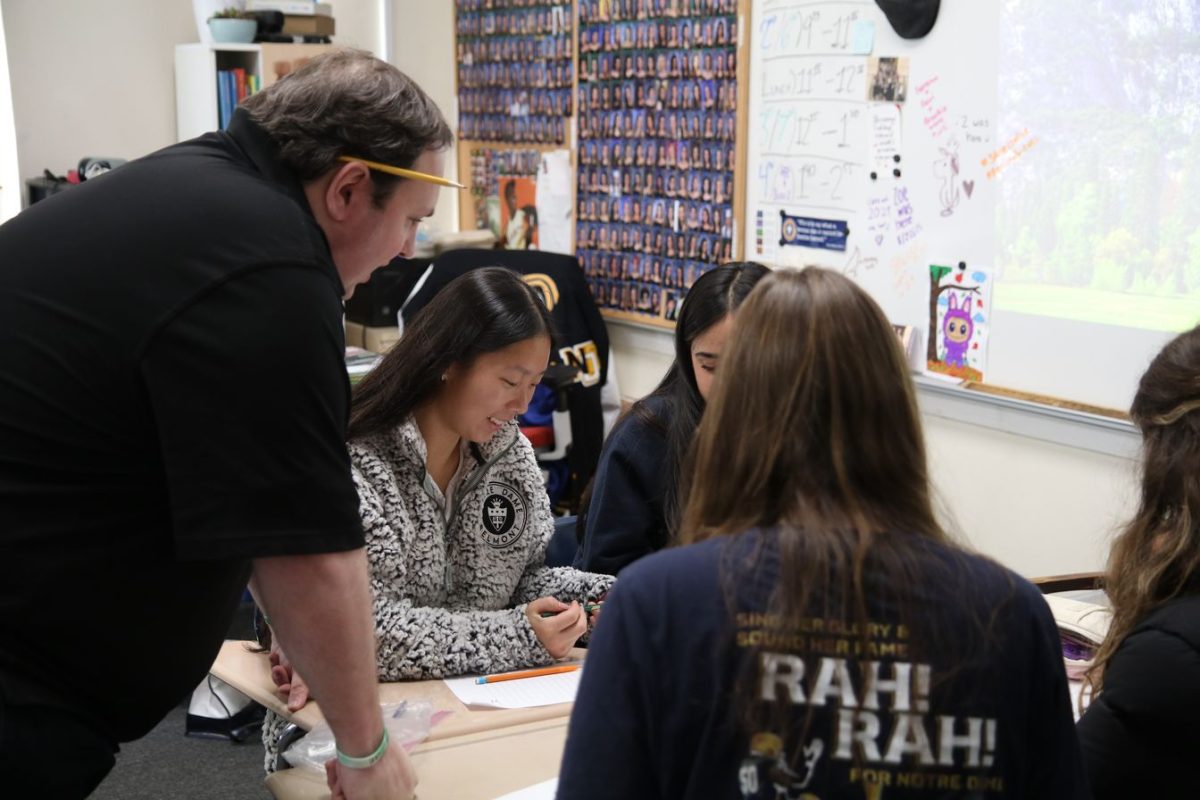
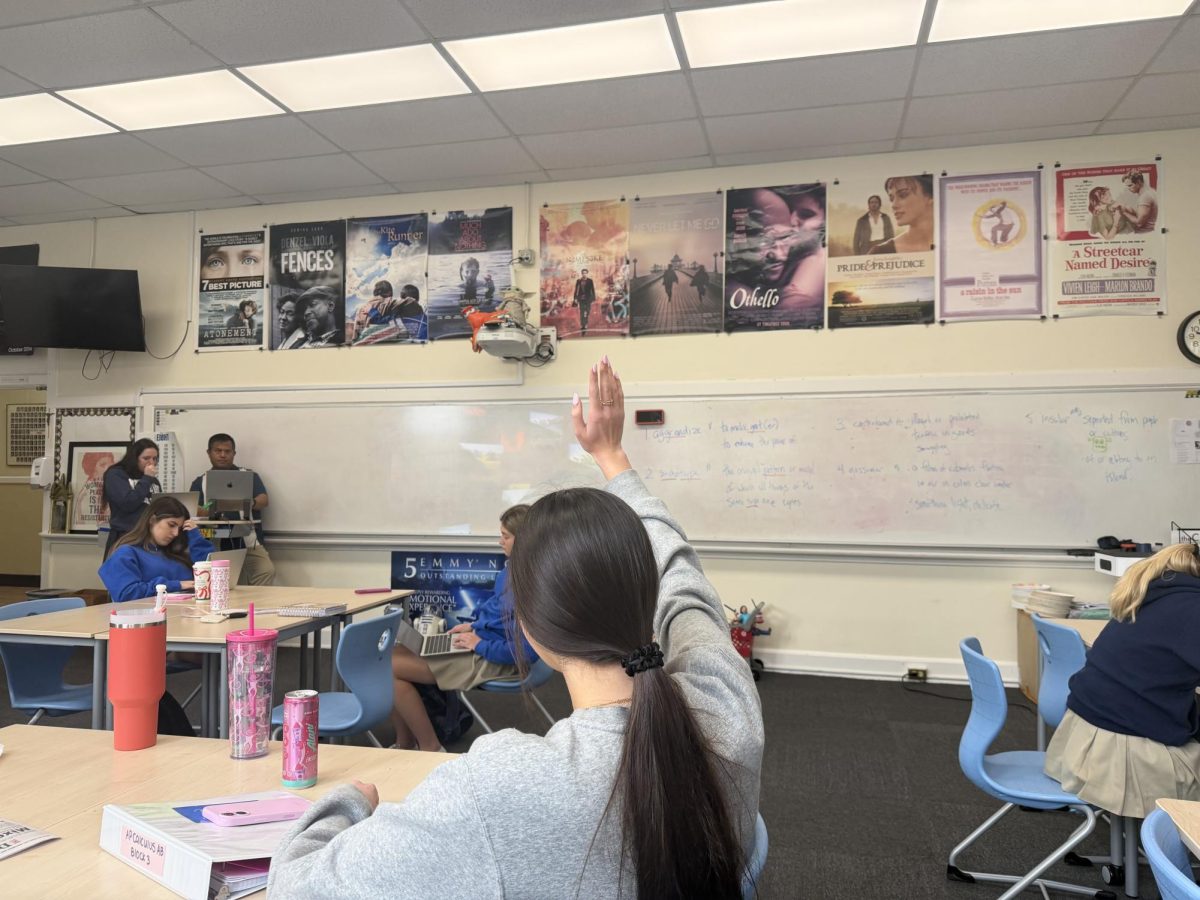
In classrooms, opinions are welcomed so long as they fit comfortably within existing norms; students are encouraged to analyse controversial topics in essays and debates, but when those same opinions are expressed in real conversations, they can suddenly feel unwelcome. As a result, many students learn to filter themselves, before anyone tells them to, quietly organizing their thoughts into what is acceptance what is not. Over time, it becomes easier to stay agreeable than to stay honest when students are learning in classrooms that reward compliance over conflicting views.
In this environment, silence can become a form of self-preservation. Many students do not stop speaking because they suddenly stop having opinions; they stop because speaking begins to feel risky. Saying the wrong thing can mean being judged, misunderstood or pulled into a wave of backlash, more commonly known as cancel culture, where a single comment can define how you are seen by others. Instead of open discussions, there is a constant pressure to avoid saying anything that could be taken the wrong way. Over time, avoiding conflict becomes less about politeness and more about protecting a person’s reputation. When expressing a real opinion feels like it could cost something, silence becomes the easier decision.
This kind of silence can become internal, as students can instinctively edit themselves before anyone else does. What starts as caution slowly turns into a habit, and eventually, many might even stop sharing their real thoughts at all. When you are constantly not trying to stand out, authenticity fades, and originality is replaced by neutrality.
This pattern exposes a deeper contradiction within school culture: students are encouraged to think critically, but only in controlled settings, such as essays or assignments, where opinions can be limited or even corrected. When those same ideas appear in real conversations, especially if they challenge social norms, they are far less welcome. Schools celebrate critical thinking as a skill, but not always as a behavior.
Being opinionated should not be something students learn to fear. Disagreement is how ideas grow, how society improves and how real understanding is built. If schools truly want independent thinkers, they have to create spaces where students can speak honestly without worrying about punishment or peer backlash; otherwise, students are being trained to stay quiet.