
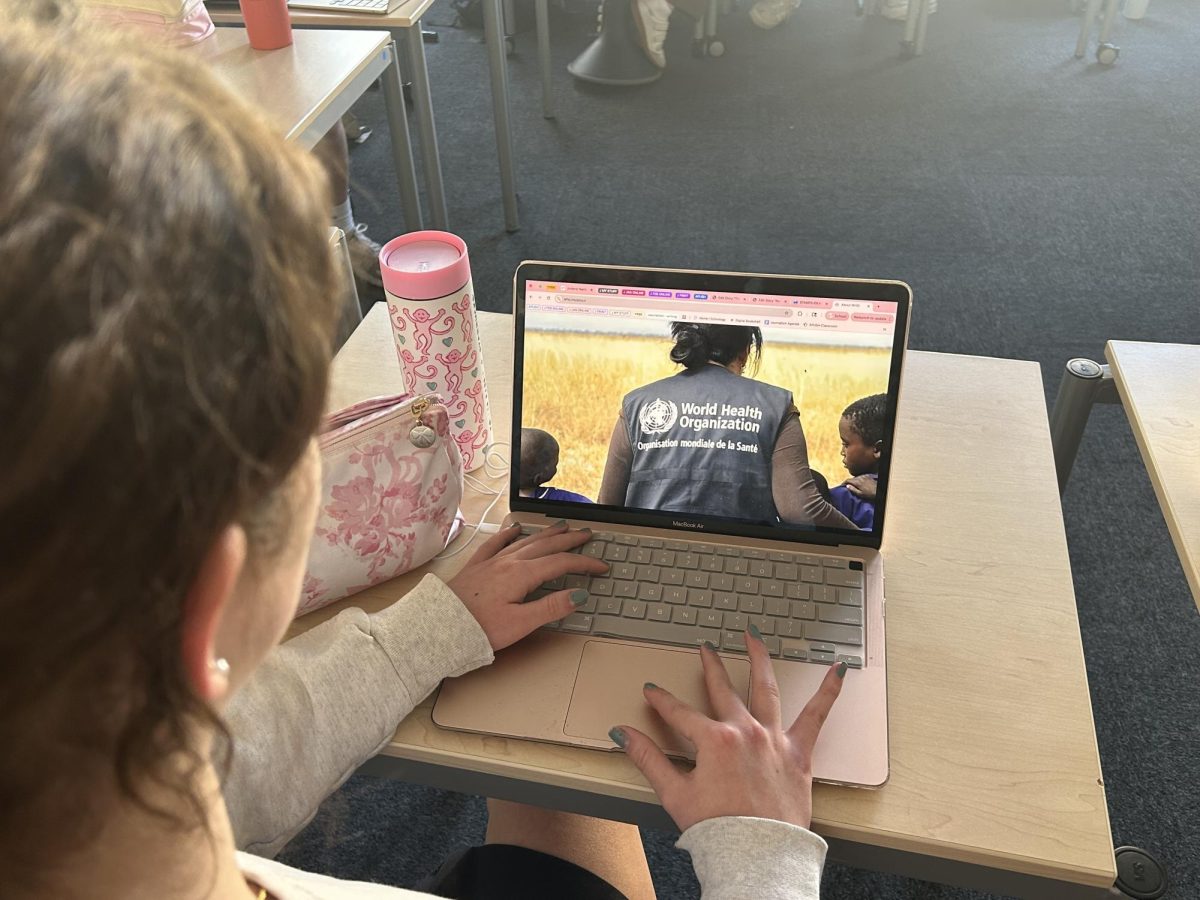
Under the jurisdiction of President Donald J. Trump, the United States of America is withdrawing from the World Health Organization on January 22nd, 2026. The World Health Organization is responsible for managing health risks around the globe, collecting information and providing necessary resources such as vaccines. They create guidelines for responding to emerging threats and provide support to countries in crisis. The president believes the United States is disproportionately funding the organization, paying far more than the other countries involved. After what he deems a mishandling of the Covid-19 pandemic, Trump no longer wants a part in the organization. This decision will not only affect the United States and the World Health Organization, but every other country involved.
Sophomore class president August Kelly shared her views on the decision, saying, “I am very disappointed with the current administration that decided to leave the World Health Organization … leaves us subject to extreme problems regarding health…” She went on to add, “I mean the basis of… being able to protect yourself is your allegiances with other countries and your connections to other countries.”
Senior Sophia Wentley shared her opinion about the importance of the organization, saying, “I think the World Health Organization was a smart way to make one strong health initiative in the world that could be beneficial to many countries and… also lead the world in a somewhat similar direction…” She added, “We are able to come together and find solutions when there are problems, and the United States, on its own, can support itself and find its own solutions.” Sofia Wentley also shared President Trump’s reasoning behind the decision, and explained detrimental effects a relationship with The World Health Organization may have had on the United States. “He definitely focused a lot on finding areas that the United States could conserve money… believed that they did not properly execute handling Covid 19 and weren’t fast enough with finding solutions… which he felt no longer made them necessary for the benefit of this country…”
Graeson Fee, an NDB history teacher, shared her views. “I think it’s a really important organization, because diseases and health issues don’t respect country borders. So it’s important to be able to… work with other countries, share research to better health for the world.” She added, “I think long term, we’ll miss out on research, on opportunities to collaborate with other countries.” When asked if she believed it was part of a larger campaign for America to withdraw from international agreements, Ms. Fee responded, “In the last couple years, we’re starting to switch to more isolationist, more America first. So I think this is on trend, especially if you look at things like the United States not wanting to help out with NATO…”
By withdrawing from the World Health Organization, the United States is ending relationships with countries around the globe, possibly prohibiting the sharing of research and resources. By staying in, America is forced to disproportionately fund the organization, money that could perhaps benefit more citizens another way. Each member of the Notre Dame community provides a unique view on the decision to withdraw from this international organization dedicated to the health of citizens around the world.


