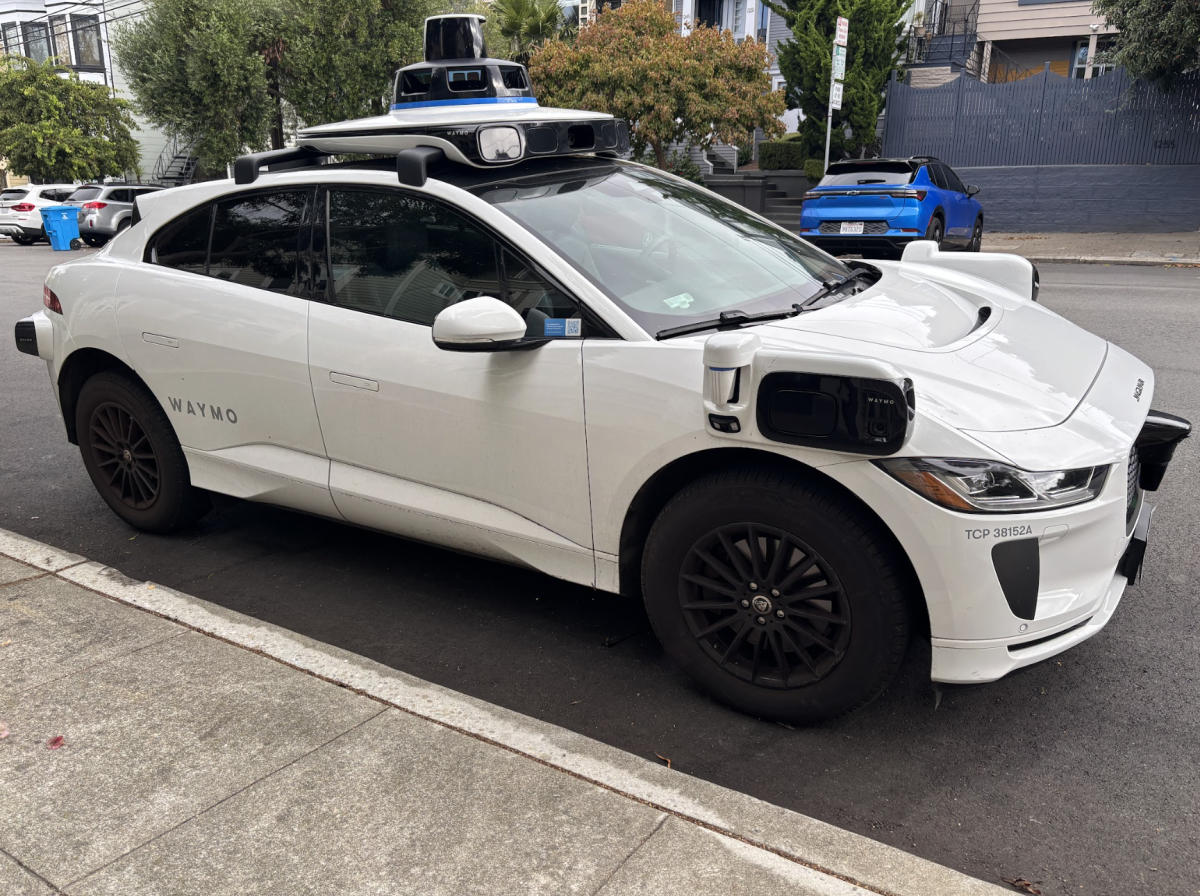
Waymo, the self-driving car company, began as a secret Google project in 2009. According to Waymo Everything Explained, it was originally known as the Google Self-Driving Car Project, its mission was clear: To create a vehicle that could navigate safely without human intervention. After years of research and testing, Waymo launched its first robotaxi service in December 2018 in Phoenix, Arizona. At that stage, there was still a safety driver in the vehicle.
Then, in 2020, they launched the fully autonomous taxi to the general public with no human drivers involved. This marked the beginning of a new era in transportation, one where artificial intelligence and advanced sensors replaced the steering wheel in human hands.
On June 25, 2024, Waymo launched in San Francisco, offering fully driverless rides to the public.
This service started expanding across the Bay Area. In 2025, Waymo added Belmont to its serviceable cities, joining San Mateo, Redwood City and Palo Alto. For residents of the Peninsula, this means that autonomous rides are no longer a futuristic concept, but more so a present reality. For those considering a Waymo ride in Belmont or elsewhere in the Bay Area, the experience is unlike any traditional rideshare.
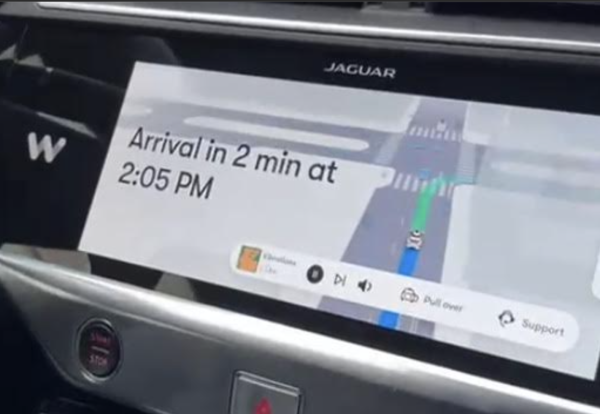
First-time Waymo passenger Wouter Verschelden described his experience: “I got in the car and, at first, I was a little scared because there was no one in the front where the driver is supposed to be. I went into the passenger seat, and [my wife] Louma went into the backseat. It immediately started talking to us.”
Verschelden shared how the absence of a driver can feel unsettling at first.
“But, after a while, you notice the way it moves on the road. Almost comparable to a human driving,” he added.
While the technology is impressive, riders should know that Waymo trips cost more than traditional rideshare services. A study of 90,000 rides in San Francisco found that Waymo’s robotaxi fares were consistently higher, about $5 more than Uber and $6 more than Lyft, on average. Despite the price difference, many passengers are willing to pay extra for the novelty and perceived safety of a driverless ride. There is no risk of getting in the car with a stranger, which is a perk for many passengers.
The biggest hurdle for many is psychological.
As Waymo continues to expand across the Bay Area, the company is not only offering convenience, but also reshaping how people think about safety, commuting and the future of transportation. This is a reminder for NDB
students and their families that innovation is happening right outside their door.
Supporting new technology often begins with curiosity. Whether you are skeptical or excited, taking a ride in a Waymo offers a glimpse into what the future of mobility might look like, and it is a future that is arriving faster than many expected. The story of Waymo shows how quickly ideas can transform into everyday reality.