“Girl, what an iconic glowup!” “Oh my gosh, you’re low-key giving main character energy.” “My test is tomorrow! I’m so cooked …”
All current NDB students are part of Generation Z: people born from 1997 to 2012. As the first generation raised in a technologically advanced world – the internet, mobile devices and AI – at our fingertips, we have developed a culture that is distinct from older generations. One of the ways we have diverged is through a communication style entirely of our own: “Gen Z Lingo.”
Let’s be honest: It is fun to connect this way! Complimenting people by saying they gained aura and “ate it up” is second nature. Events can be “the most fire thing ever” or seem “mid.” Even emojis and abbreviations online have changed, like skulls, instead of laughter, to show we’re dying of it!
However, these bonding connections can be stone blockades for union with older generations.
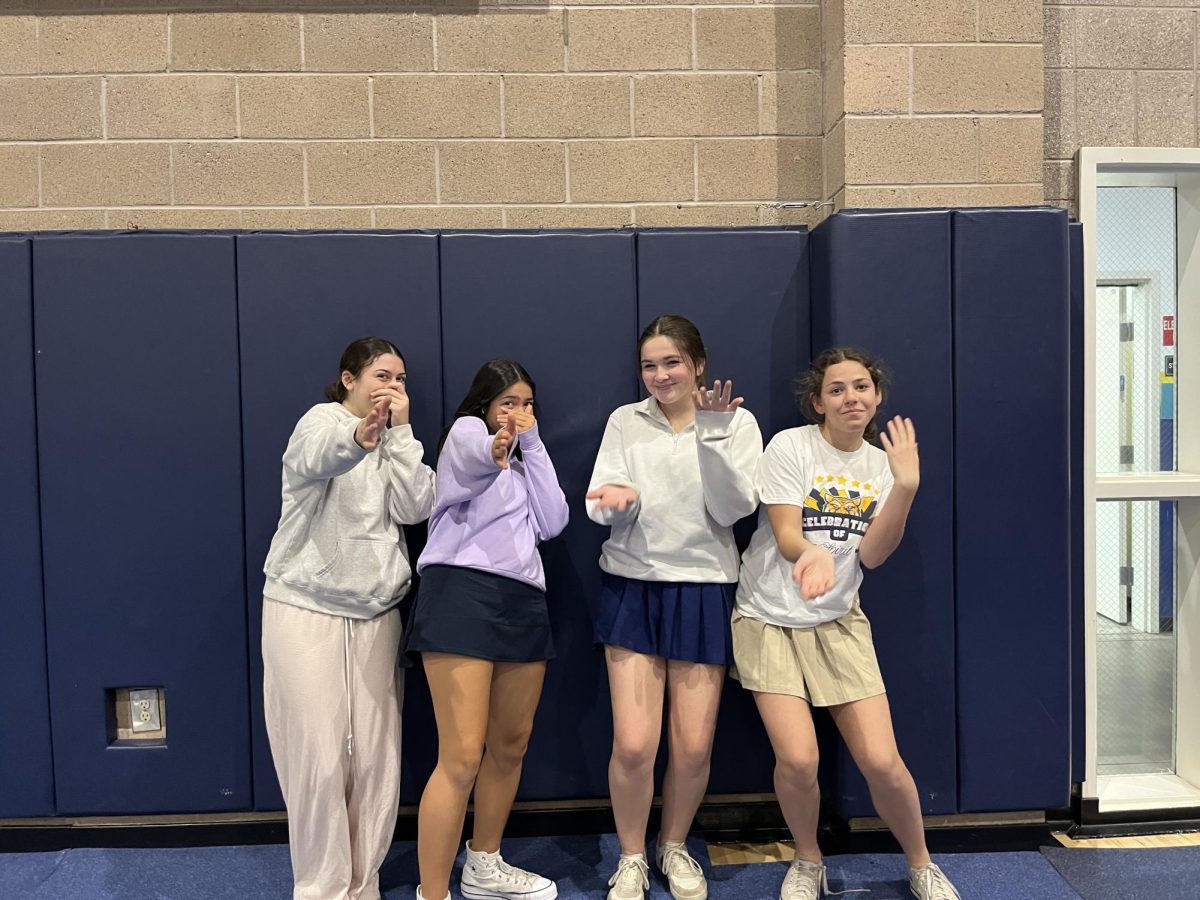
When “67” and other trends went viral on the internet, we can all recall our parents – and teachers – trying to join in.
Suddenly, the slang and hand movements didn’t seem cool anymore. It just felt so … weird.
But, why? How many times have we said the same thing amongst ourselves and continued to do so, even after awkward moments?
Sophomore Rose McNally shares that she “think[s] it’s awkward when it feels like adults [are] making fun of young people’s cultures.”
Freshman Tabitha Statton agrees, but awkwardness can stem when “ [adults] don’t understand what it means and how to use it.” She added, “I honestly don’t think that we should bridge that gap because then it would be more awkward!”
The communications team at the Swinburne University of Technology explored Gen Z lingo’s exclusive nature and inclusion of slang expanding through workplaces, social media and new relationships. Sometimes, in such a desire to become more unique, we cut ties – often rudely – to valuable insights and empathy of others, particularly the generations out of the loop of our inside jokes and endless pop culture references.
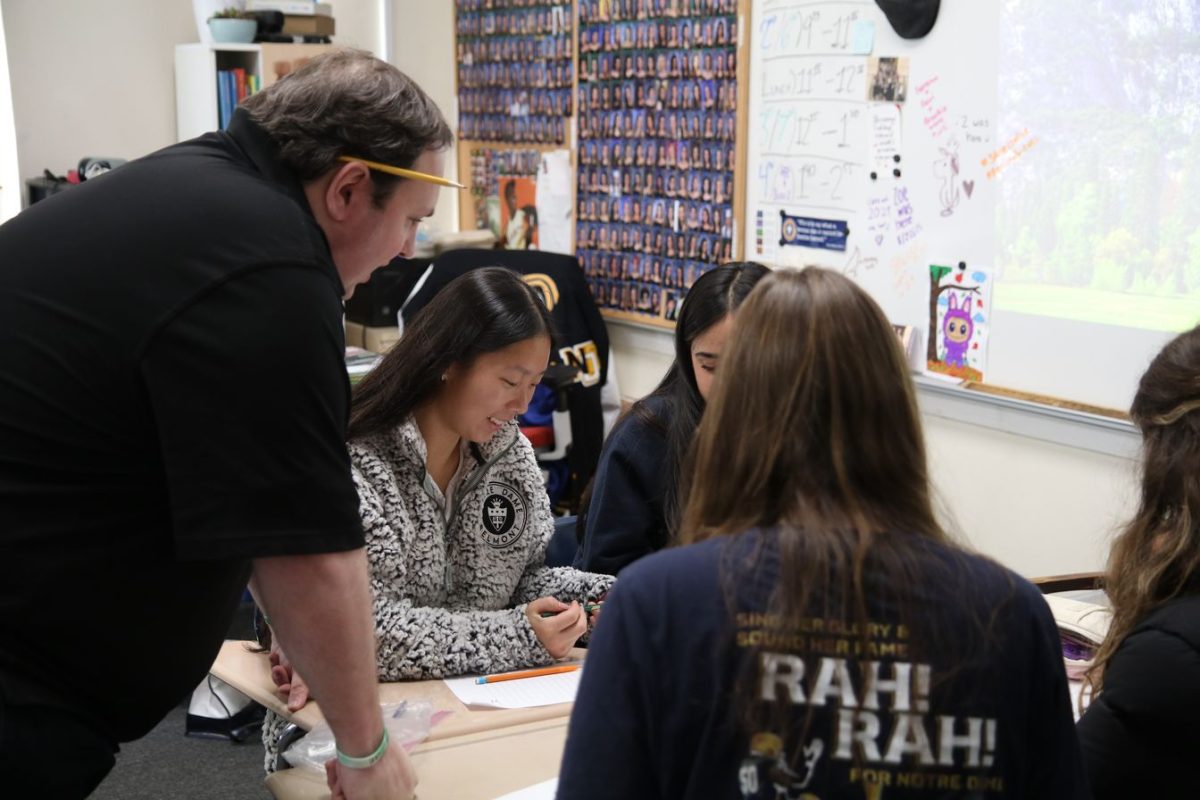
NDB English teacher Jennifer Dorn and NDB Computer Science teacher Patricia Torrey shared their experience with Gen Z lingo as moms and teachers.
“I find it annoying because I prefer not to be called ‘Queen’ or ‘Bruh’ … However, I recognize that each generation has its own way of speaking, so although the slang changes over time, the generational gap in language remains the same,” said Dorn.
Torrey shared how she has not “adjusted to the lingo because it’s more in line with learning [it] and then going with it.” She also reflected, “I did this to my parents as a teen, and I’m sure my parents did the same to theirs.”
Trends will always be a fickle aspect of society: Some days, not understanding what they mean will leave us sticking out like a thorn in a rose bush and, on others, it will seem horribly outdated to even try. As youth, we may not want to relate to older generations since their popularity can fade. But, has it ever been a good decision to judge on popularity alone? The quality of values, life, stories and humanity can guide us to be more perceptive and escape our Gen Z lingo bubble.