For many high school students, the one question that seems to follow them everywhere is: What do you want to be in the future?
While it may seem like a simple conversion starter, for teenagers, it can carry a surprising amount of pressure, especially in high school.
Today’s teens are often expected to have a clear vision of specific majors and career paths before they even graduate high school. From choosing classes to applying to college, decisions can feel like they must align perfectly with their dream future job. These expectations come from multiple directions, including parents, peers, school and social media. All of these factors reinforce the idea that having a plan early means success.
Some people argue that early planning gives students direction. Knowing what you want to do can help guide academic choices, extracurriculars, and what colleges to apply to. It can also create a sense of motivation and purpose, having the idea of knowing what you want to study or where you want to attend college.
However, many educators and counselors believe this expectation is a little unrealistic, especially because students are still at a young age.
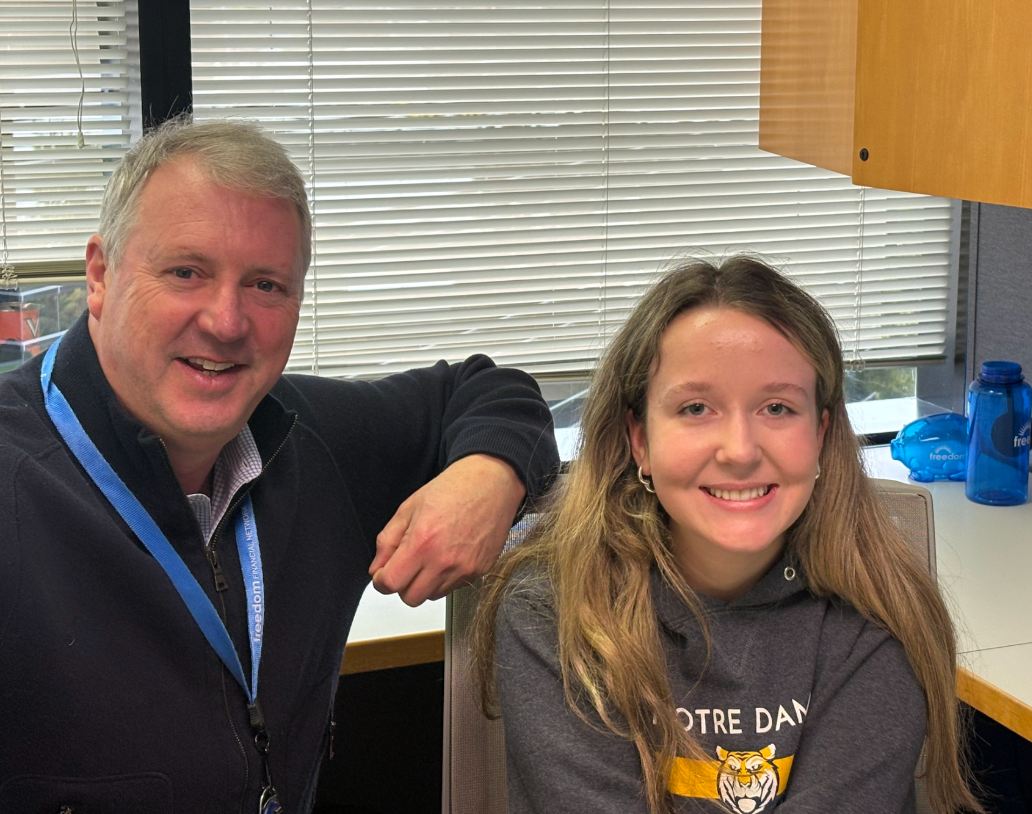
“I think a lot of students feel like they might know what they want to do or they feel strongly about a major, but it’s pretty common for students to change them,” says Dean of Academic Advancement Kristi Rossi. “I always just advise that students kind of lean into their interests and their strengths to make a decision about what they want to indicate as their major when they’re applying to college.”
Her perspective highlights a key reality, meaning that choosing a path doesn’t mean being locked into it. In fact, many college students end up switching majors at least once. Still, the pressure to “have it all figured out” can make students feel like any uncertainty is a failure, when it is not.
“I think the pressure can come from different places,” Rossi explains. “So some students might feel that more from their family or just peer pressure.” She added that at NDB, the focus is less on having a fixed plan and more on exploration. “Just trying to explore things that they might like or be interested in… and then always letting them know that most colleges are pretty lenient about students being able to change their major… makes them feel better about it.”
This approach reflects a growing belief that the teenage years should be about discovering interests rather than defining a lifelong career. Instead of rushing into one path, students benefit from trying new things and making mistakes to learn from.
“Trying different things… especially different internships or exposure to jobs is a great way to start exploring your passions,” Rossi shares. “And then after that… they can find out a lot about how the major is structured at different schools… where hopefully they feel a little excited about it.”
In the end, students do not need to know what majors or careers they want to pursue. Exploring options, especially in college, is what it is all about. The “Undecided” major is not a bad option if you are still unsure, and that way, you are able to explore lots of different classes. Pressure from other classmates, family, or friends truly makes it harder on people, but it is important to go at your own pace during this process.