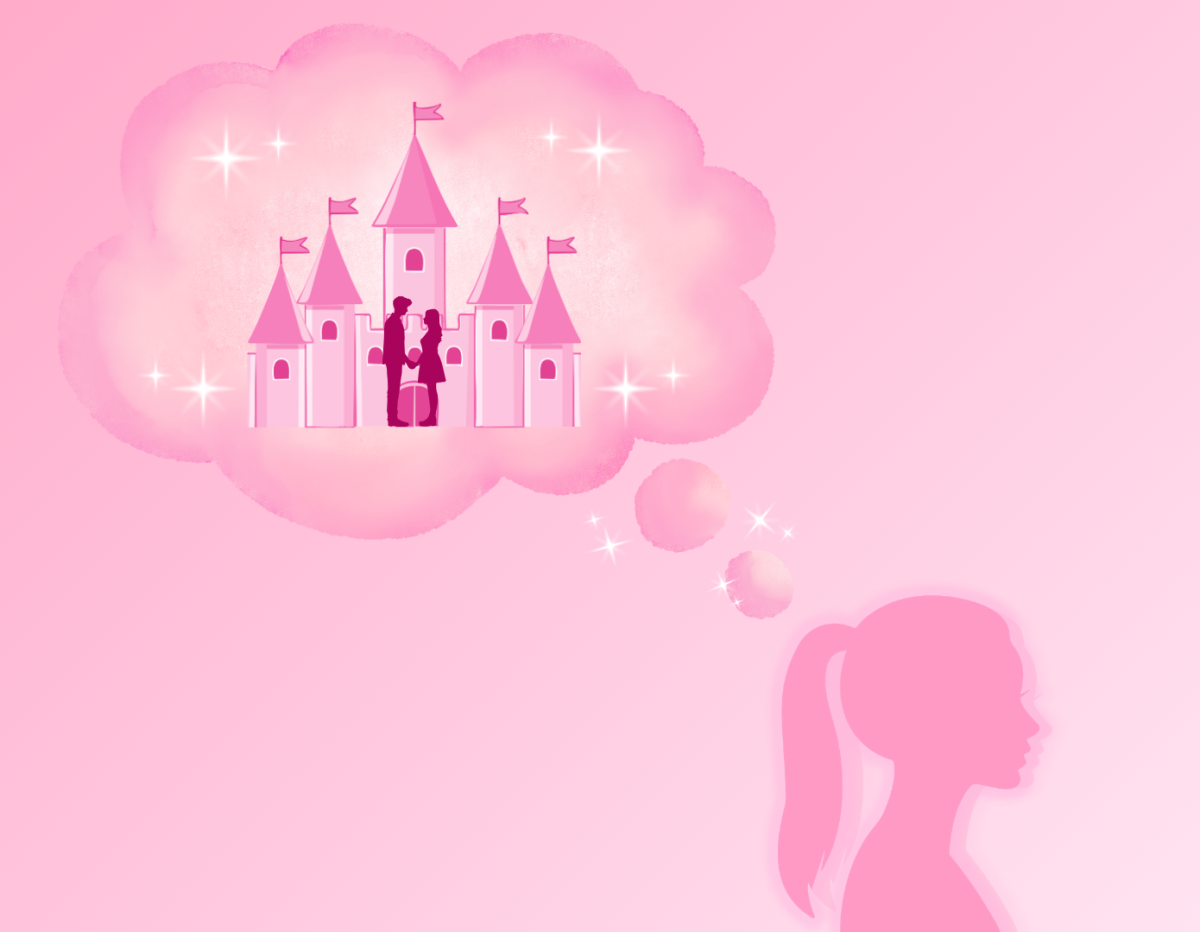
From a young age, many children are introduced to romance through Disney films, where love is often portrayed as instant and effortless, with classic storylines frequently emphasizing “love at first sight.” While these narratives may seem harmless, they can quietly shape how young viewers understand relationships, often leading teens to develop unrealistic expectations about how love should feel and progress.
One of the most significant ways Disney films influence teen romance is by blurring the line between attraction and genuine love. In many classic films, characters fall in love almost instantly, often without meaningful conversation or emotional connection. This can lead young viewers to associate immediate feelings with real love, even though healthy relationships typically require time and communication to develop. This could lead teens to rush into relationships or misinterpret attraction as something deeper, increasing the likelihood of disappointment and even unhealthy dynamics.
Classic Disney films provide clear examples of this pattern. In “Snow White and the Seven Dwarfs,” Snow White falls in love with the prince after only a brief encounter, and their relationship is instantly portrayed as true love. Similarly, in “Cinderella,” Cinderella and the prince form a deep romantic connection after a single night at the ball, despite barely knowing each other. In “The Little Mermaid,” Ariel gives up her voice and identity for someone she has never spoken to. These narratives reinforce the idea that love is immediate and all-consuming, rather than something that grows through shared experiences and communication.
Another factor that makes these portrayals influential is the early age at which children are exposed to them. For many, Disney films are one of the first introductions to love, meaning these idealized narratives can shape expectations before real-life experiences ever occur. When these early messages are constantly reinforced, they can shape how young people understand relationships, making it harder for teens to separate fantasy from reality later on.
In addition, Disney films often present an idealized version of love that lacks conflict or complexity. Relationships are depicted as perfect and destined to succeed, and when young viewers internalize these messages, they may come to view perfection as the standard, making real relationships feel inadequate by comparison. This can lead to unrealistic expectations of relationships and partners, searching for an idealized “perfect” person who may not even exist. Over time, this mindset can contribute to dissatisfaction and difficulty maintaining healthy, realistic relationships.
Because these storylines are introduced at such a young age, they can shape how teens later interpret their own relationships. Many teenagers may expect constant excitement and perfection in their romantic lives, but real relationships involve conflict and uncertainty, which can feel disappointing in comparison. This could lead teens to believe that something is wrong with their relationship, or even themselves, if it does not match the intensity portrayed in films. In some cases, it may also cause individuals to prioritize romance over personal growth, believing that finding a partner is the ultimate goal rather than one part of a balanced life.
Beyond shaping expectations, these portrayals can also influence how teenagers prioritize different aspects of their lives. When stories consistently frame love as the “happy ending,” teens may begin to place significant importance on relationships. This can sometimes come at the expense of personal development, friendships and even academics, as teens may neglect their own interests, goals, or spend less time with friends due to focusing heavily on romantic relationships. In some cases, people may prioritize maintaining a relationship over their own growth, which can limit their ability to develop independence. Instead of viewing love as one part of a balanced life, some may feel that achieving romantic relationships defines their happiness, reinforcing a narrow view of fulfillment.
At the same time, it is important to recognize that earlier Disney films are not meant to serve as realistic relationship guides; they are designed to entertain and inspire rather than portray real-life experiences. For many viewers, these stories can promote positive values like hope and kindness, so the issue is not necessarily the existence of these romantic narratives, but the lack of balance when they are among the first exposures younger kids have to love.
Disney narratives have also begun to shift in recent years, moving away from traditional romance-centered storylines. Films like “Frozen” emphasize the importance of self-discovery and familial love, while “Brave” highlights independence and challenges the idea that a romantic relationship is necessary for fulfillment. Similarly, “Moana” focuses entirely on independence and personal growth. Together, these films suggest a growing awareness of the impact earlier narratives may have had, while also promoting changing social values such as independence and self-worth, offering younger audiences a more balanced and realistic view of fulfillment beyond romance.
Ultimately, Disney’s portrayal of love has played a subtle but powerful role in shaping how young people understand relationships. By presenting romance as instant and perfect, these films can create expectations that real-life relationships are unlikely to meet. While newer stories are beginning to offer more realistic and diverse perspectives, the influence of earlier narratives is still prevalent. Being aware of this influence helps teens approach relationships more realistically, focusing on communication and growth rather than perfection.