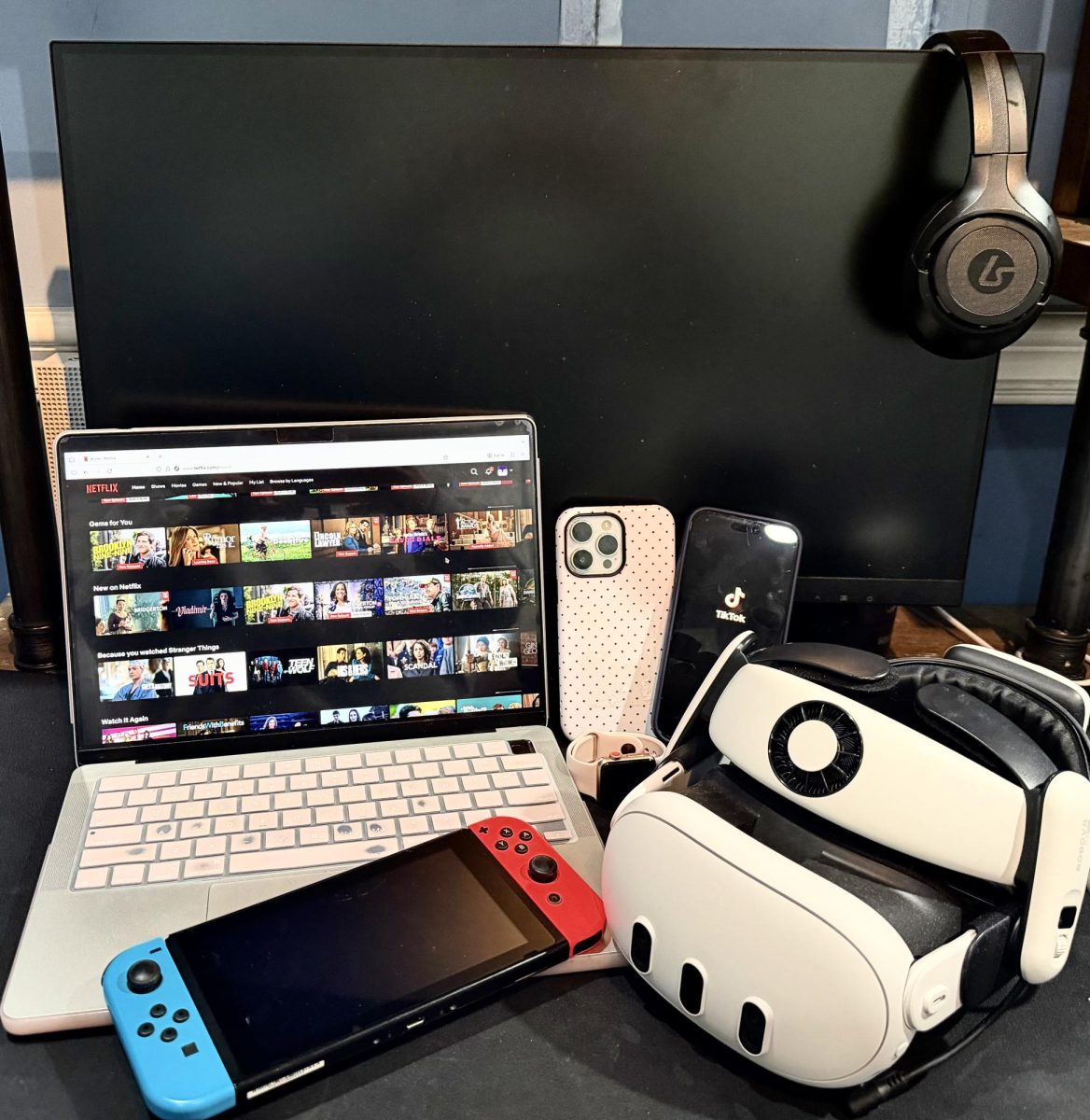
From social media and streaming platforms to gaming and online influencers, digital entertainment now shapes how people relax, connect and even understand reality. Although entertainment has the power to inspire, educate and bring people together, its constant availability has quietly transformed how individuals think, interact and experience the world. Its presence is no longer occasional or intentional, having shifted from something people actively choose to something that surrounds them.
Entertainment itself is not the problem. Movies, music, sports and even art have long brought people together and shaped culture. The concern lies in how modern digital entertainment is designed to be constant, personalized and difficult to step away from.
Digital entertainment has become central to daily life, not simply because it exists, but because it offers relief from the pressures and unpredictability of daily routines. It offers connection and a sense of control in moments that might otherwise feel uncertain. At any moment, a person can choose what to watch or scroll through, creating a space that feels manageable and self-controlled. That immediate access provides comfort and escape, which explains why stepping away can feel difficult at times. Its appeal lies in how effortlessly it can fill moments of discomfort or boredom, offering distraction that is both convenient and endlessly available.
As consumption increases, its effects go beyond how time is spent and can begin to shape how attention is directed. When content is constantly available, opportunities for deeper thinking or critical analysis can become less frequent. Moments that might have once been used for reflection or creativity are now easily filled with scrolling and curated content. At the same time, social interactions have changed. Conversations feel different when people are used to having a screen nearby, and it can become harder to stay fully present with one another. When attention is constantly divided, connection can begin to feel surface-level, even if communication is happening more often than ever.
Online spaces often present a carefully curated version of lifestyle and success, where moments are edited and filtered before they are shared. Over time, constant exposure to these polished portrayals can subtly shift expectations about what is normal or attainable. Real-world events are increasingly experienced through trends and comment sections, making it harder to separate lived experiences from their online representations. As more time is spent in these spaces, the voices shaping expectations are no longer teachers or parents, but influencers and creators whose lives are carefully constructed for an audience. When so much of what feels “normal” comes from a screen, the line between entertainment and reality becomes harder to distinguish.
A 2021 study by researchers Rachel Kowert and Emory Daniel on live streaming and parasocial relationships found that viewers can develop strong feelings of closeness and emotional attachment to online creators, even though the relationship exists almost entirely through a screen. These emotional connections can make digital entertainment feel more personal and immersive than traditional forms of media.
As this constant presence becomes woven into everyday life, it grows increasingly difficult to recognize when engagement shifts from something intentional to habitual. What may begin as a quick scroll or a short moment of distraction can gradually take up more space than expected, not because it is demanded, but because it is always available. Without clear boundaries, consumption can expand, filling time and attention without much awareness. The issue is not entertainment itself, but how easily it becomes automatic. When so much time is spent observing the lives of others through a screen, it becomes easier to consume experiences than to participate in them fully.
What makes this shift significant is not that entertainment exists, but how it quietly begins to define attention. When distraction is always available, it becomes harder to recognize how much of our attention is being shaped by it. The challenge is not eliminating digital entertainment, but learning to engage with it intentionally rather than automatically. In a time where content is always within reach, staying present in our own experiences may require more awareness than it once did.