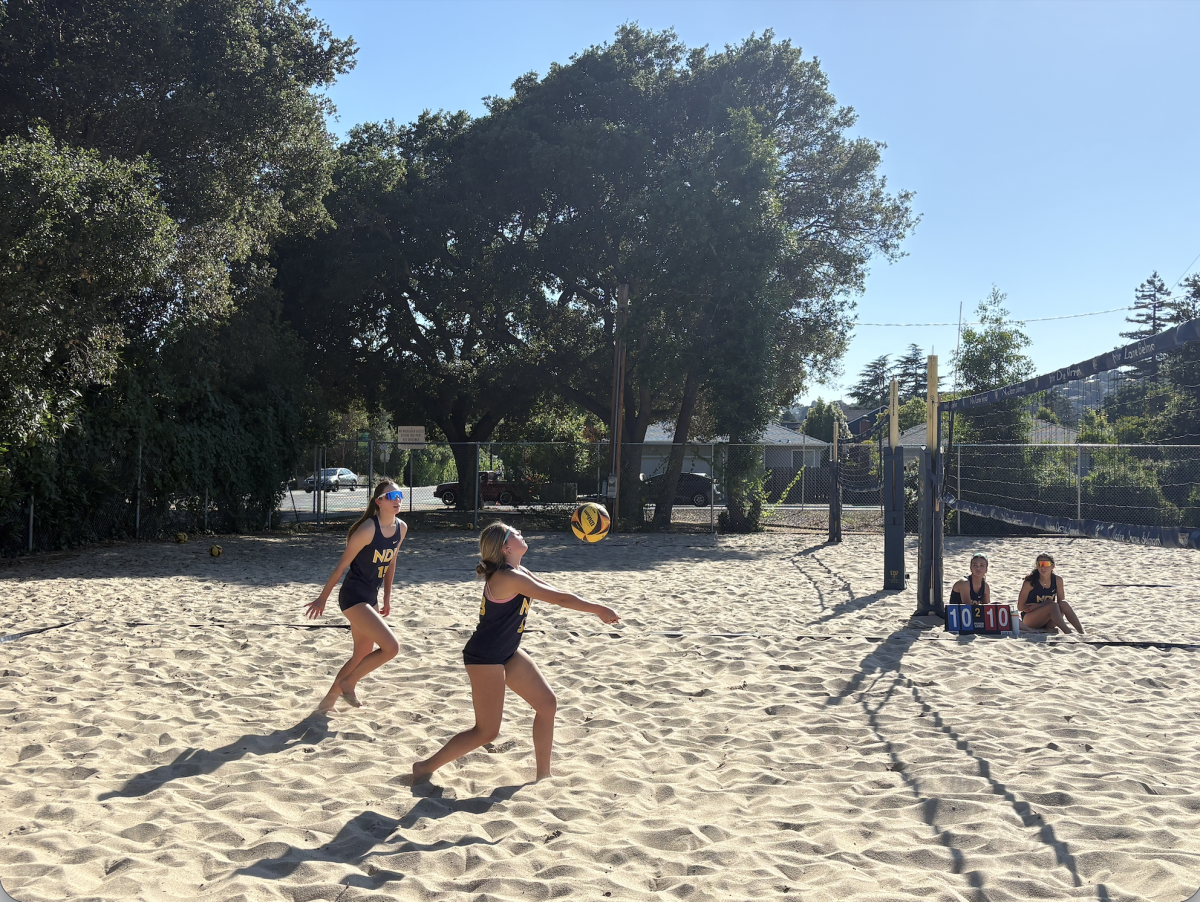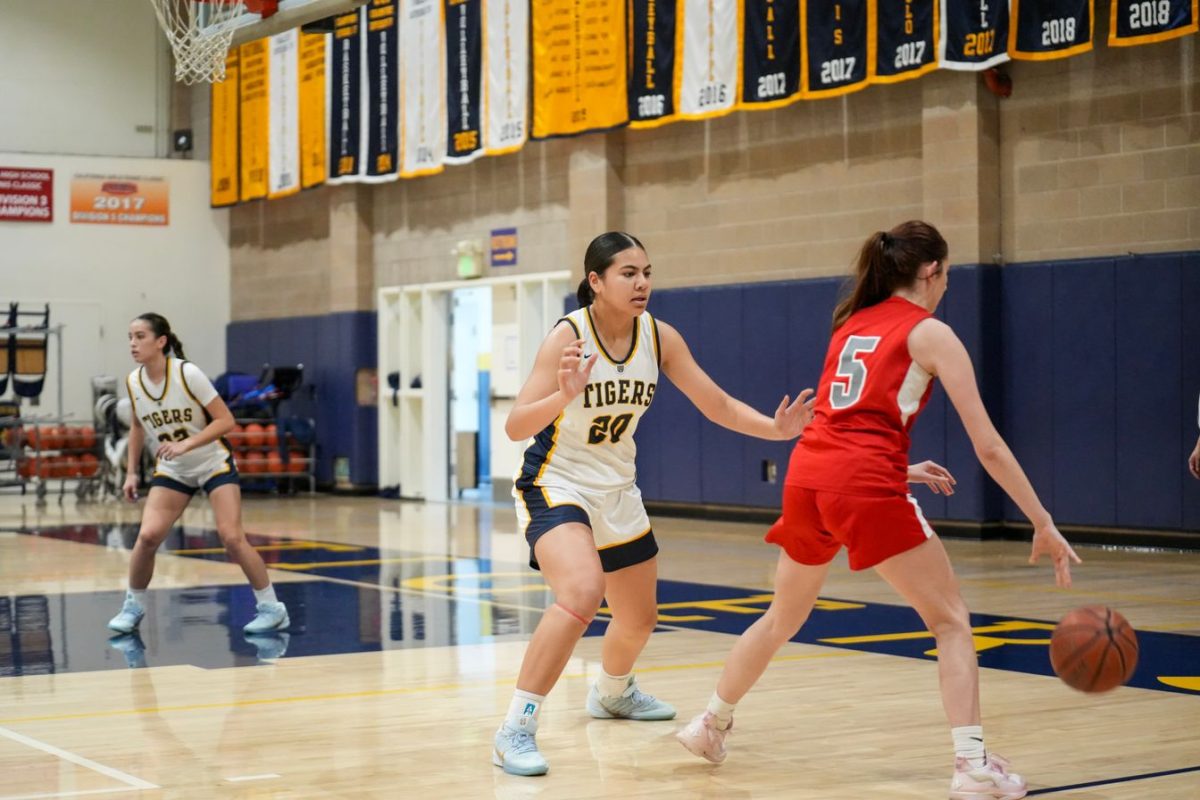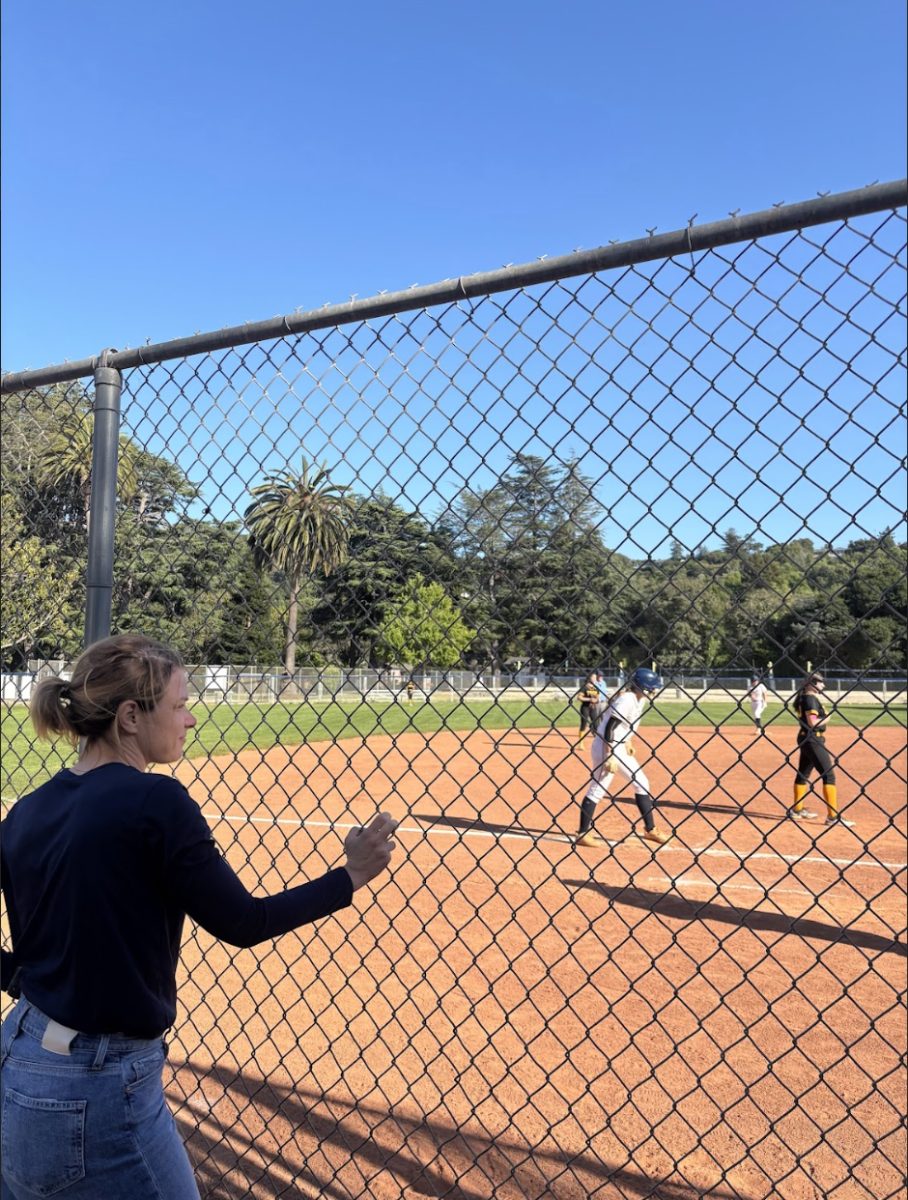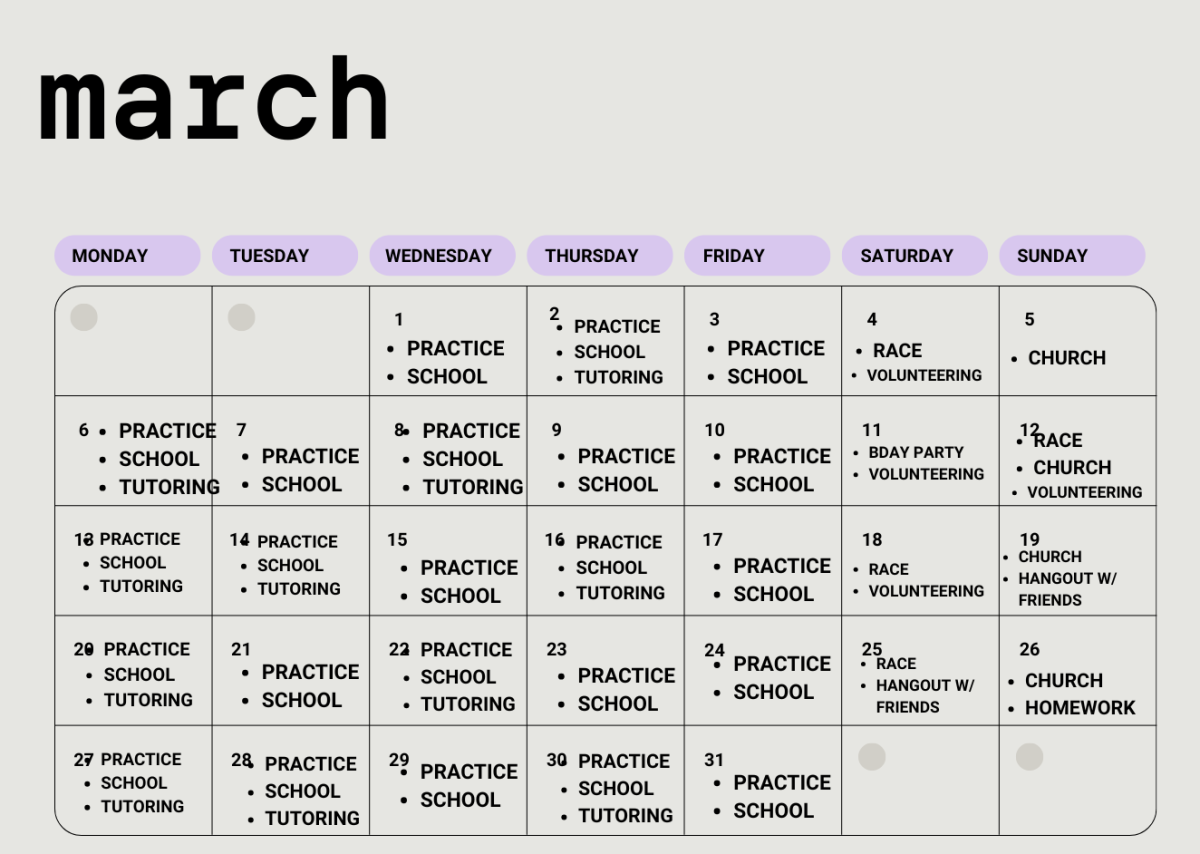
Being a high school athlete has proven to be extremely time-consuming, as many student-athletes must balance schoolwork, practices, games, and extracurricular activities. For most, the weekend is a prime opportunity to catch up on sleep and spend time with friends. But for athletes, sports, schoolwork and extracurriculars fill up schedules and limit opportunities to enjoy time off.
Sophomore Mariella Cusing, a rower, struggles when it comes to enjoying and finding free time for herself. “Being a rower is a lot of work. It’s a big commitment, and it requires a lot of time out of your day, but it’s something I love to do, so I stick with it,” she said.
A typical Monday for Cusing begins with a 4 a.m. wake-up for a two-hour practice. After rowing from 5–7 a.m., she rushes home to shower before immediately leaving for school. Her hectic day does not end at 2:55 p.m. when school ends, however. After dismissal, she immediately heads to her tutoring sessions, where she runs hour-long tutoring sessions for elementary schoolers. This activity is followed by her evening workouts, allowing her to start her homework at 7 p.m.
While her mid-week schedule is slightly lighter, the physical and mental exhaustion is constant. “Tuesdays, Wednesdays, and Thursdays are easier for me because I don’t have to wake up as early and I don’t have to tutor, so sometimes before I go to sleep I will watch some TV or spend time with my sister or the rest of my family to do something fun that isn’t homework.”
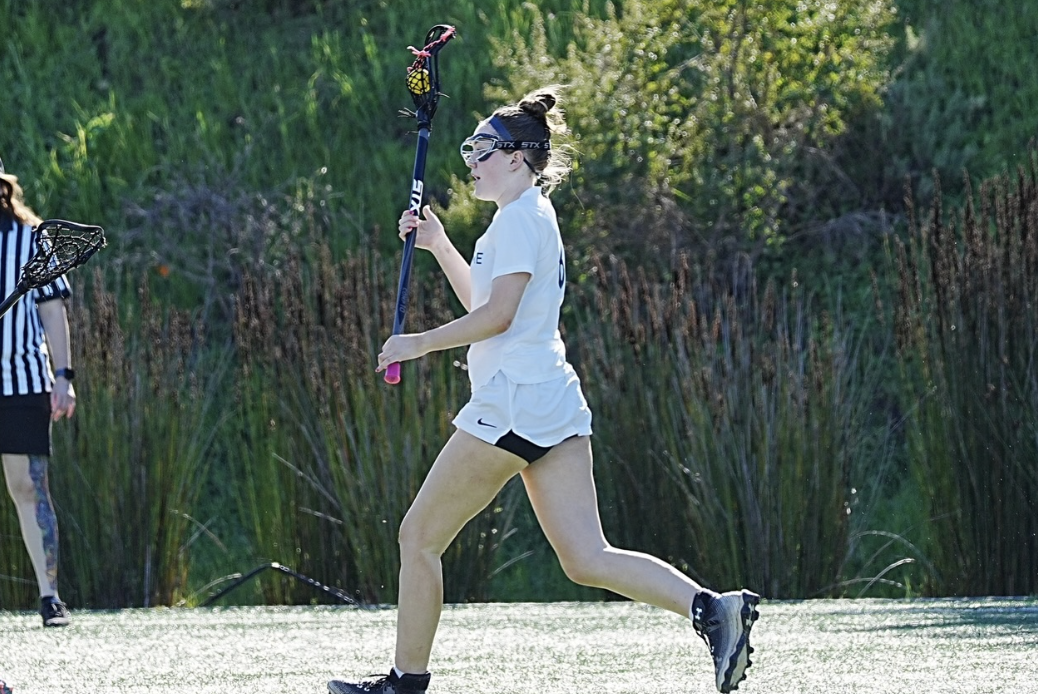
The pressure is also constant for multi-sport athletes as well. Freshman Addie Anderson balances school lacrosse with high-level club soccer while also keeping up with homework, creating zero room for rest. For Anderson, having to go to club soccer practice and a school lacrosse game on the same day is a lot of work and very tiring.
“It feels like I never have a second to sit down. As soon as lacrosse ends, I need to get to soccer, so I’m always rushing from one thing to the next,” said Anderson, explaining how her lifestyle requires good time management. She occasionally needs to complete homework on the sidelines or during car rides between practices.
On finding ways to maintain relationships and personal health, Anderson adds, “I usually spend most of my time on weekends with friends when I don’t have games, and on weekdays I usually just watch TV or scroll on my phone when I have a lot of time to spare.”
Being a student-athlete is essentially a full-time job; dedicated students must carefully manage time constraints, juggle family and social commitments and continue training. For many, weekdays can include early mornings, car rides and late-night homework sessions. Finding a balance between sports, academics and social activities can be difficult, but ultimately help to build character, resilience and time management skills.