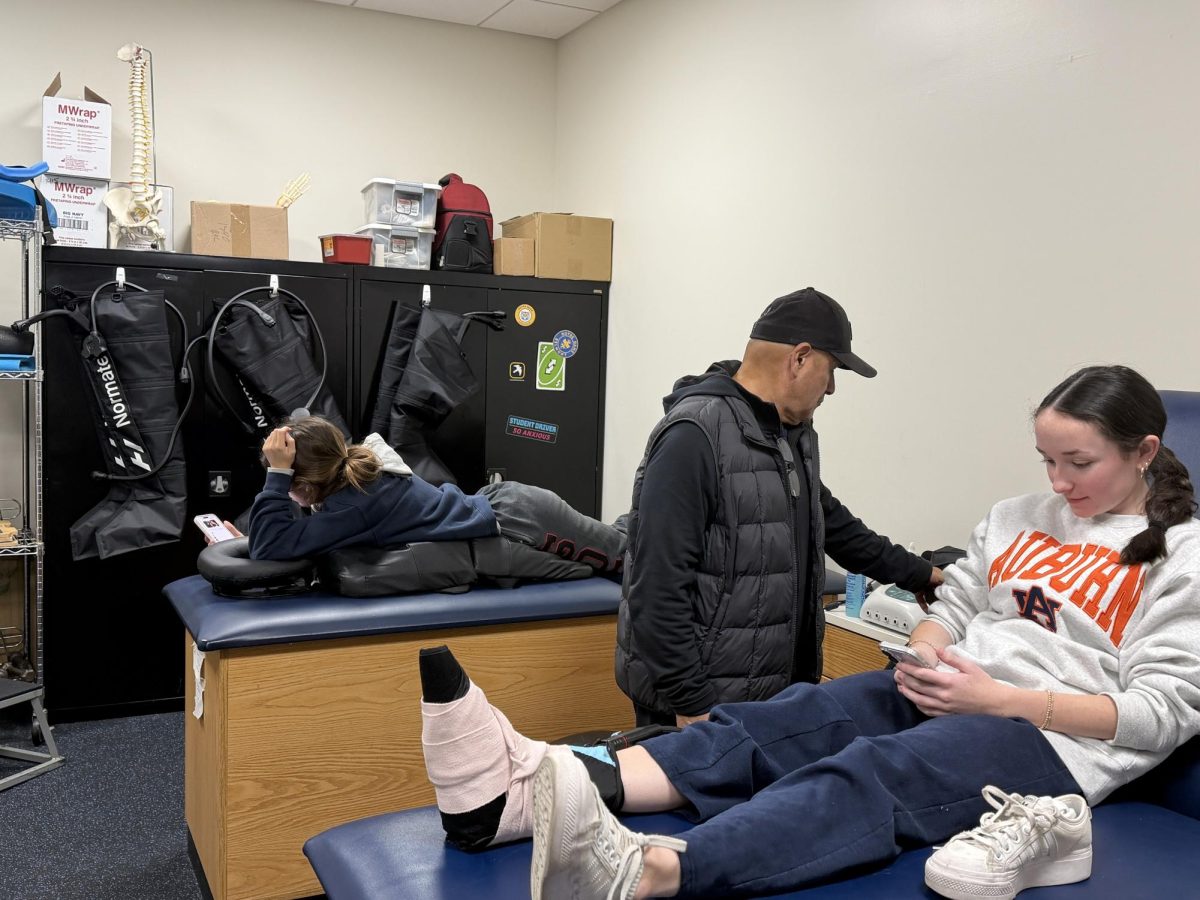
People see injuries every day and are familiar with the physical effects on their lives. Still, something that is not spoken about enough is the ties between physical and mental health. Research shows that, if the mental health of an injured athlete is poor, recovery can take longer or cannot happen at all. Mental health needs to be addressed for players to recover.
Athletes who love their sport feel strong denial after an injury, as their sport is a part of their daily life. As time goes on, players will start to doubt their skills and become less confident. When being away from their sport for so long, they will not know what to expect when they return. Athletes often feel sorrowful about the loss of their ability. There is an increased risk of anxiety or depression during long recovery times, leading players to feel hopeless.
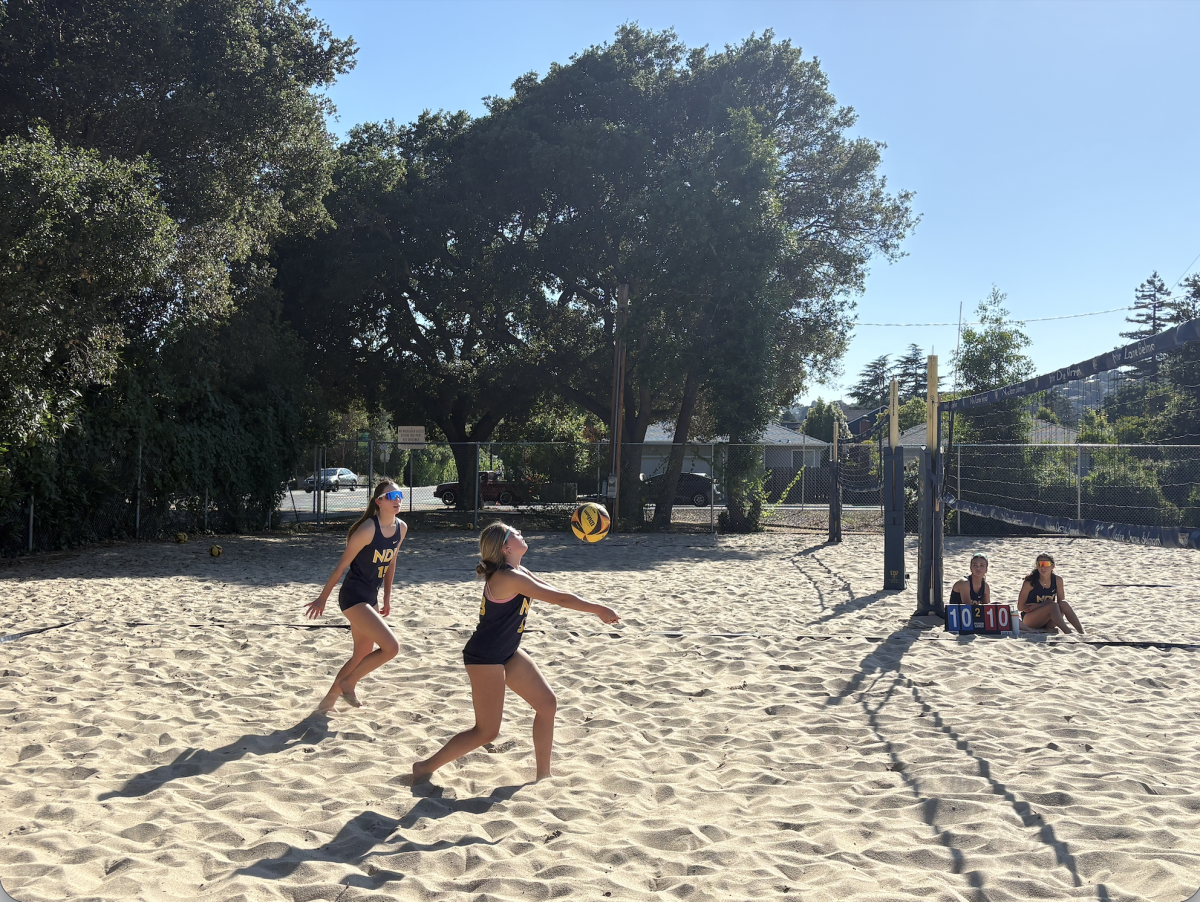
“One of the ways I cope with anxiety is by doing sports,” said freshman student athlete Lexie Connell. “So, not being able to do that, it definitely made me more stressed out and not like myself.” Connell is a volleyball player who suffered a torn ACL, MCL and meniscus.
High school athletes, on average, spend 10 to 15 hours per week on their sport. Through these hours, players form close bonds. These connections are reduced through injury as they miss practices and games. This leads to feeling isolated as players are not participating in a part of their daily routine.
Many players adjust to their sport being a main part of their schedule, so having so much time on their hands might seem wasteful. This extra time is key to recovery as injured athletes can focus on physical therapy, nutrition and mobility. They can also use this time for hobbies they enjoy outside of sports as they help reduce stress during recovery.
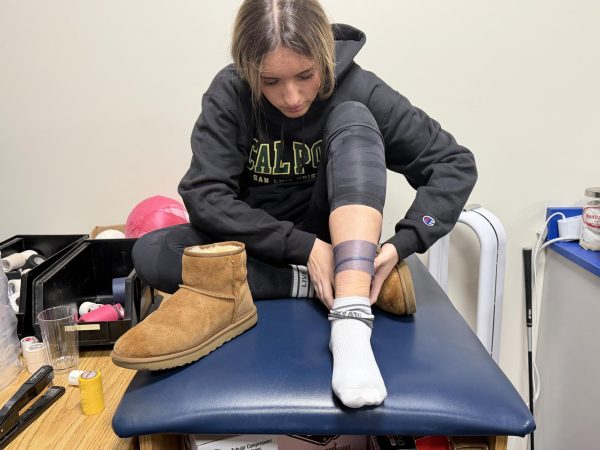
Injured athletes become observers rather than players, watching their teammates from the sidelines. They feel guilt as they think they are letting their team down. Loss of athletic identity causes players to question who they are outside of sports. As others continue to play, they feel behind. This feeling is especially common for those who are extremely committed to their sport.
The recovery process is slow and has setbacks, making athletes feel like they will always be injured. They typically have goals to improve, but facing an injury makes them shift their goals to focus on recovery. This can be a hard shift to do, but it is crucial. Athletes can face anxiety about returning because of fear of re-injury or not being able to meet their previous skill level. Players face internalized pressure from fear of losing status on the team or falling behind.
Players also face external pressure from coaches, teammates and their parents. Recovery is intentional and should not be rushed. There are many great coping strategies used by athletes to recover. Goal-setting is a strategy that provides players with structure, making long recovery seem shorter. It boosts the player’s motivation by creating a path toward the future, forcing them to focus on the bigger picture.
Visualization is another strategy that allows players to mentally practice their skills even when not physically playing. Keeping a positive attitude helps so that the player believes that they can recover.
“The faster you can get to the point where you start believing that you can get better, that’s when you start getting better,” said NDB Head Athletic Trainer Lazaro Cardenas.
The recovery process is generally focused on the physical aspects of recovery. If mental health could be centralized, recovery could be faster for athletes. Maintaining good mental health helps the overall health of the player. Mental health can take a huge toll on players who need support through and after their injury.
Overall, mental health has a major influence on student athletes and can change one’s perspective.