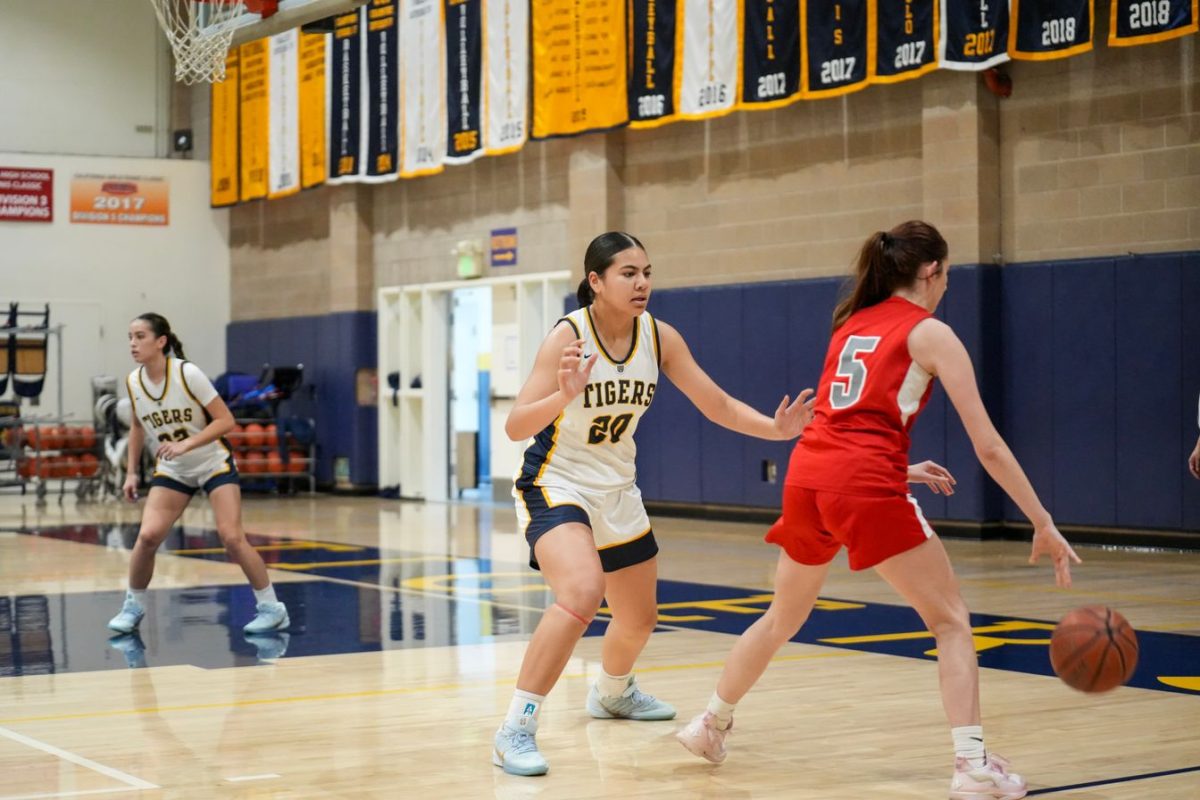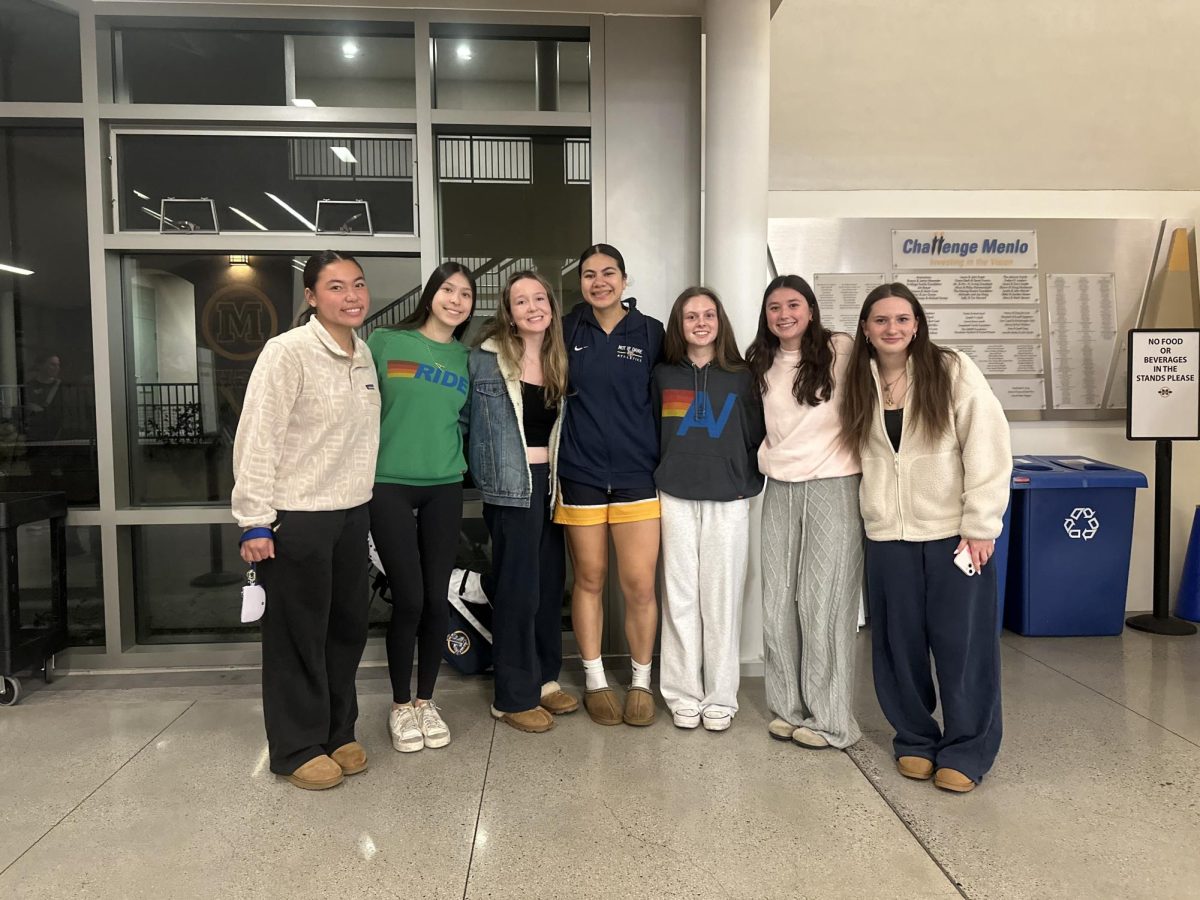
From the classroom to the court, varsity basketball player Sammy Kakala’s day stretches far beyond the school day.
As a junior, Kakala starts her day well before school begins. By 6:30 a.m., she is up and doing her morning workout. After this, she gets ready and reviews assignments or plans for practice later in the afternoon. Breakfast is quick, and mornings require careful organization to balance academics and athletics.
Classes run from 8:30 a.m. to 2:55 p.m. She attends each block, takes notes, participates in discussions and completes group work. At the same time, she considers practice schedules, game strategies and homework assignments she will need to complete later. Staying organized is essential, as missing assignments or deadlines can create additional stress after school.
“I try to utilize my lunches and Block Ei8hts as much as possible to get stuff done because, when I have basketball, obviously, I can’t get as much done,” shares Kakala.
After school, Kakala’s focus shifts to basketball. She takes part in drills, scrimmages and conditioning during practice, which typically runs from 3:15 to about 5:00 p.m. The sessions require both physical endurance and mental focus to learn plays, coordinate with teammates and perform well under pressure. Fatigue is a constant factor throughout each practice and her schedule often extends late into the evening, leaving little time to rest.
“I think getting my work done and trying to keep my grades up motivates me to finish my homework on time, so that I won’t have to delay any assignments even further because I value my free time,” said Kakala, describing how she stays driven when exhaustion sets in.
Some afternoons lead directly to games. On those days, Kakala and her teammates make a point to enjoy lunch together at school before gearing up. Whether these games are played at NDB or require travel to away venues, Kakala and her teammates always bring their all.
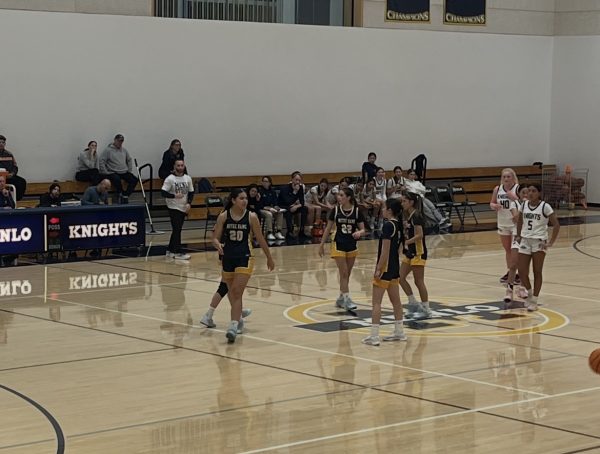
Spectators may see the final score, but warm-ups, preparation and recovery are largely invisible, yet essential to performing at the varsity level.
In addition to school basketball, Kakala also participates in club basketball, which further extends her already demanding schedule during certain parts of the year.
“When I do club basketball, it’s more busy than school basketball because I do track in the spring, and that just adds on to what I have to do … because I have to go to track right after school, and then right after track I have to go to club basketball,” shares Kakala. “Sometimes, for my club, we have weights, and so that just adds on even more time with the driving and with the actual practice itself.”
Evenings are equally structured. From roughly 7:00 to 10:00 p.m., Sammy completes homework, reviews class notes and does her own personal workouts. Balancing homework with basketball preparation requires careful time management. Delays or missed work can affect both academic performance and athletic readiness.
“Expect having very long days throughout the week, and know that it’s not always going to be easy,” said Kakala, advising younger athletes and stressing dedication, perseverance and time management. “Whenever you think times are getting tough, you just have to either talk to someone or find a way to keep your motivation high because it’s definitely a lot to keep on your plate.”
Basketball has also shaped how Kakala approaches challenges beyond the court. “Basketball has helped my discipline and mindset because it has helped with my time management,” explained Kakala. “I’ve been playing since seventh grade, so I’ve had a lot of experience trying to deal with school and basketball. So, it has definitely helped me manage my time and, discipline-wise, it has taught me to not give up when I feel like it and to push through whenever I’m feeling hardships or when I’m feeling down.”
For Kakala, winning games and scoring points are not the only aspects of basketball. It is a daily regimen of accountability, concentration and personal growth.