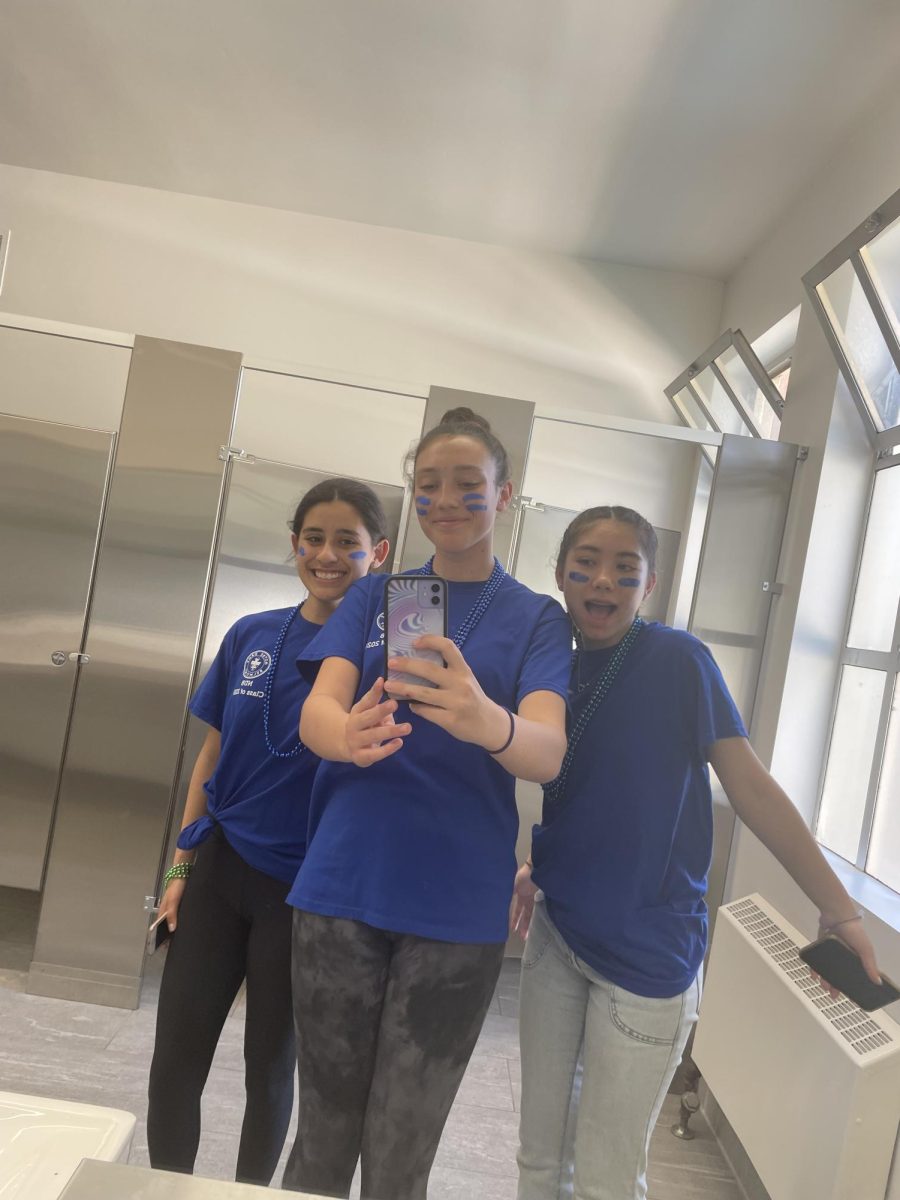
Students are often told to “follow their passions,” but these passions are only celebrated when they align with a list of approved activities. A varsity sport or a club title is seen as impressive, while hours spent writing, creating or building something alone often go unnoticed. Somewhere between encouragement and reality, authenticity starts to lose its value.
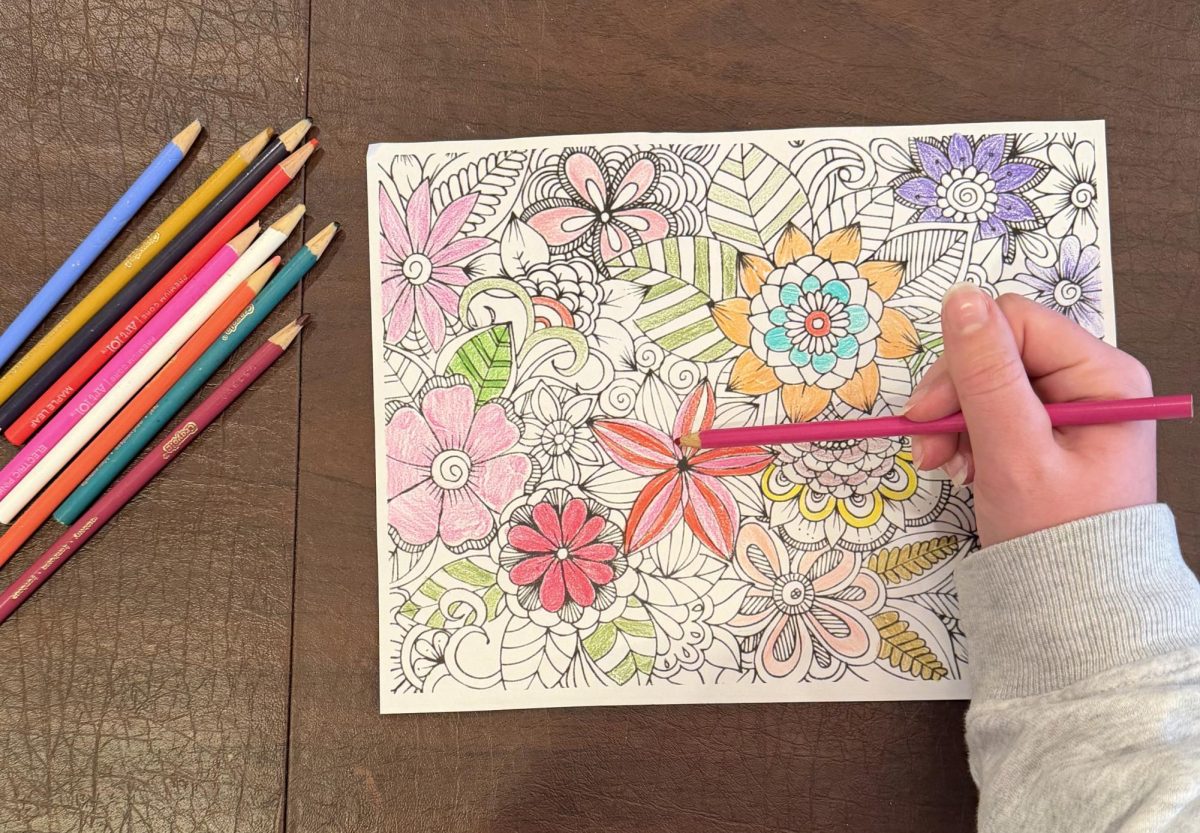
Within school culture, a subtle hierarchy exists that shapes how extracurriculars are viewed and valued. Sports teams, academic clubs, theater and student government are often seen as more impressive because they come with titles, awards and public recognition. Independent projects, creative writing or art, however, are more likely to be dismissed as hobbies, even when they might require just as much time and effort.
This hierarchy exists largely because independent work is harder to measure. A trophy, title or leadership position is easy to list and rank, while creativity, persistence and self-directed effort are not. When schools rely on prestige and recognition to define success, activities that do not come with formal awards are pushed aside, no matter how meaningful or demanding they may be.
As a result, students begin choosing activities based on how they look rather than how they feel. Resume value starts to matter more than personal interest, and passions that do not seem impressive enough are slowly dropped. Even though schools encourage authenticity, the system often rewards conformity, pushing students to mold themselves into whatever appears most successful on paper.
This pressure causes meaningful experiences to be overlooked. Students who commit years to creative projects, small clubs or personal goals often receive little recognition, simply because their work does not fit into a traditional mold. Long-term dedication without awards can go unnoticed, even when it takes just as much discipline and effort as any celebrated activity.
Not all valuable experiences come with medals, titles or leadership roles. Creativity, persistence and passion cannot always be measured, but that does not make them any less real. If schools truly want students to follow their passions, they must broaden what they consider legitimate. Until then, too many students will keep trading what they love for what looks impressive.