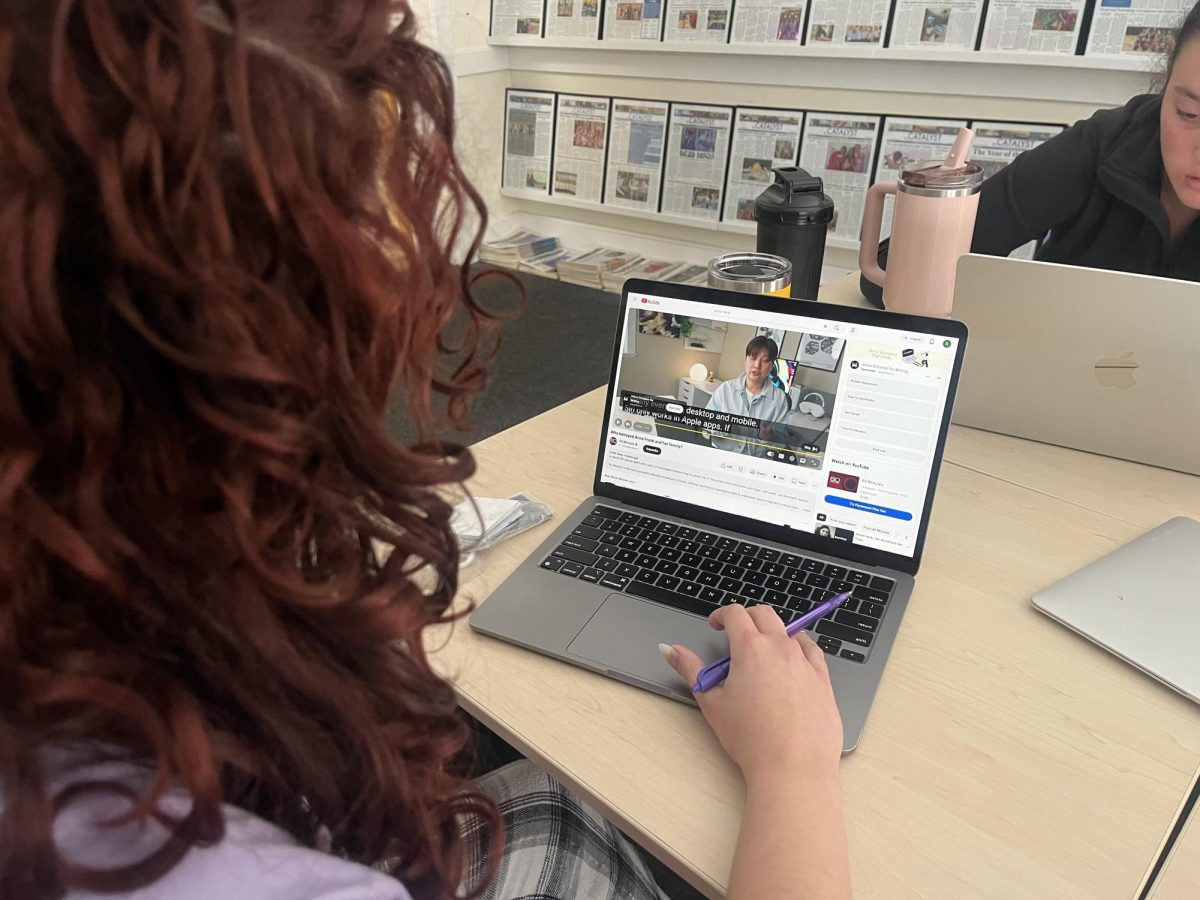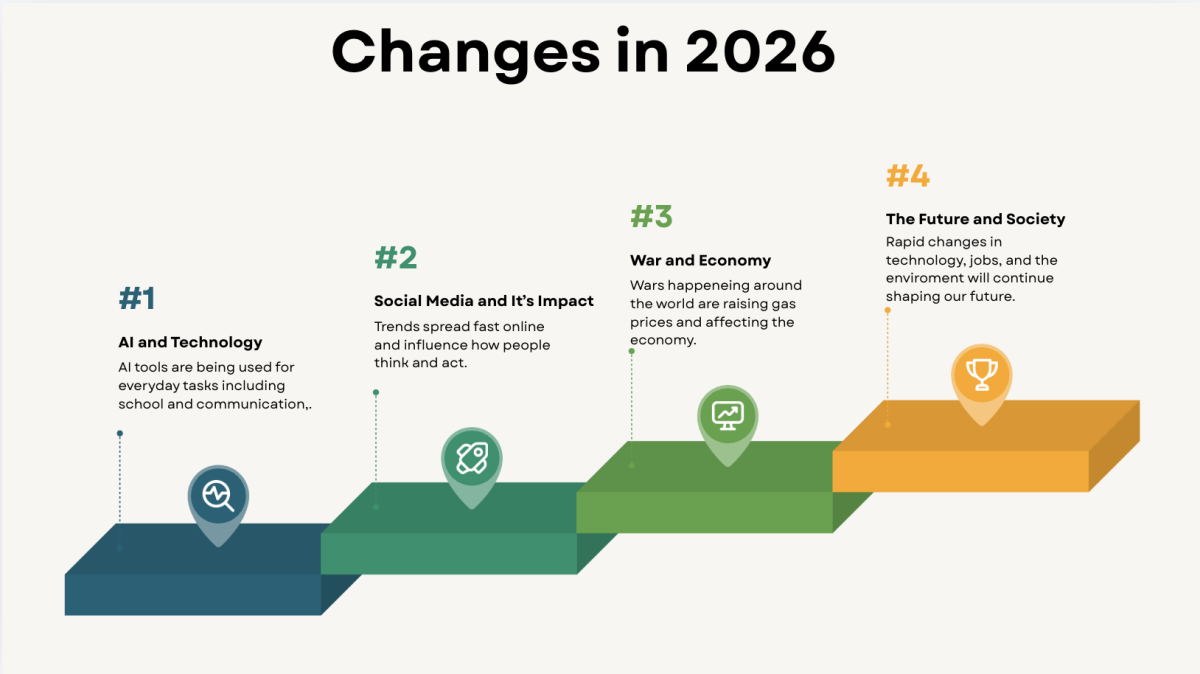
For many teenagers, views are no longer developed in the classroom, but through social media news streams.
Social media platforms such as TikTok, Instagram and YouTube are built to maximize engagement rather than accuracy. Algorithms recommend content that keeps users engaged, which, in turn, promotes sensational or inaccurate information. The consequence? Information is being consumed by teens at a speed and scale that critical analysis is unable to keep up with.
Another consequence of algorithm-driven feeds is that the content teens see is rarely moderate or nuanced. Platforms tend to amplify extremes because outrage, fear and shock are more likely to generate clicks and shares. As a result, users are repeatedly shown the loudest opinions and most polarizing takes, while thoughtful or balanced perspectives are pushed aside. Over time, this can distort how teens understand complex issues, making them appear more divided or absolute than they actually are.
Studies carried out at Tufts University’s CIRCLE project make it clear just how heavily teens use these resources. When asked to identify the top three sources of information, 77% of respondents indicated at least one of the social media sites or YouTube, and 16% indicated only these sources of information. While technology can increase awareness, awareness alone is not a teacher of discernment.
The problem is exacerbated by the prevalence of misinformation on social media platforms. Indiana University found in 2024 that only 0.25% of the X users accounted for 73% to 78% of the low-credibility or misleading tweets. They also discovered that TikTok’s user base consists of 63% of the teens in the U.S., meaning misleading content can shape young users’ beliefs and development in subtle but significant ways.
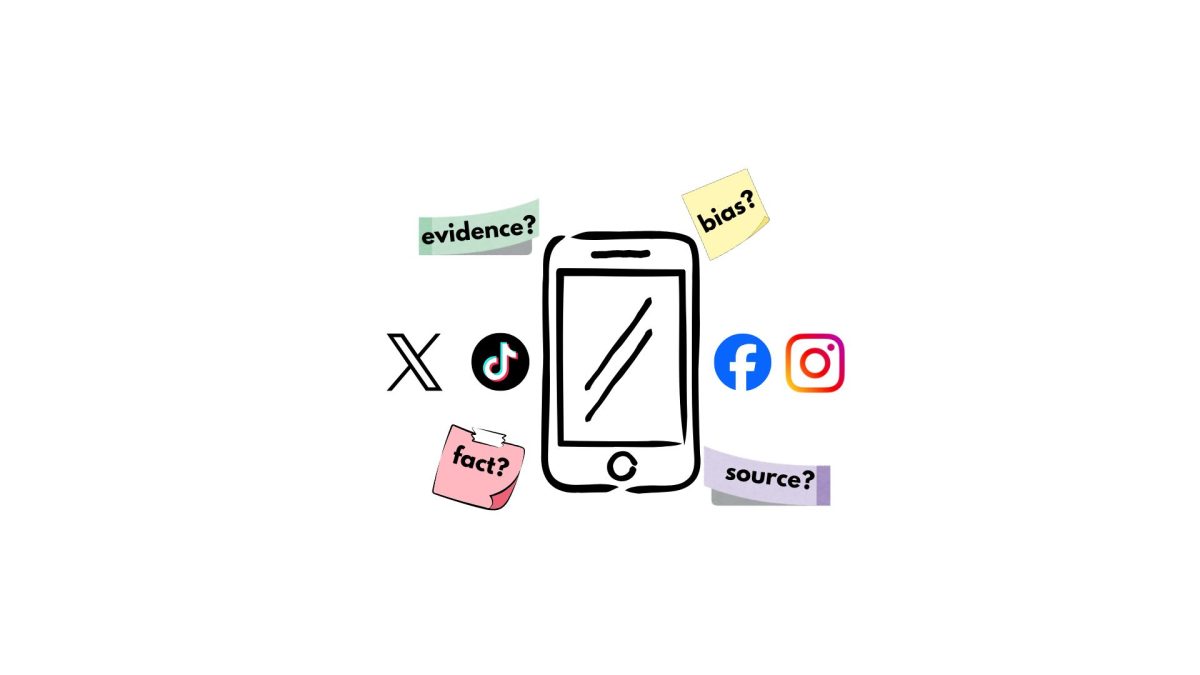
While students are engaged with social media on a daily basis, the education on how to critique sources for bias is not. Media literacy is no longer an elective; it is a necessity. Educating teens on how to verify sources, how to critique algorithms and how to check facts will give them the tools to responsibly navigate the digital world.
This is in no way a call for censorship. Social media should be explored by teens without restrictions, but with knowledge. With the integration of online interaction with critical thinking, this can be achieved.