Christmas, Halloween, Fourth of July: all major holidays that practically everyone recognizes and celebrates. But with 11 federal holidays and many other special days of remembrance, why have some of these celebrations been forgotten?
Christopher Columbus Day serves as one of the most controversial days in the American calendar, and is often unrecognized or misunderstood despite being a federal holiday. Commemorating Christopher Columbus’s arrival in the Americas on October 12, 1492, it became a holiday in 1937, the day officially marking the beginning of the “Age of Discovery.” Now in modern times, many argue that Columbus and later colonizers committed atrocities against Indigenous people, and feel that a day dedicated to Columbus is celebrating colonization and oppression.
In response to this, many places now observe the day as Indigenous Peoples’ Day, focusing on honoring Native American cultures and recognizing their resilience and historical injustices. Federal offices are closed, as well as some schools and businesses. Former President Biden, by executive order, changed Columbus Day to Indigenous Peoples Day, and then President Trump changed it back via executive order this last year.
However, for many Italian Americans, the holiday historically symbolized recognition of their culture. Government and history teacher Jonathan Tomczak gave some more insight on this lesser-known history, explaining, “Columbus Day was created to celebrate the 400th anniversary of Columbus’s expedition…the context for that was given the number of Italian American immigrants and the prejudice they had faced in the U.S. at the time. There was a real push to make popular and well-known the value of Italian history and culture, and celebrating Columbus was one way to do that.”
Holidays don’t necessarily need to be controversial to be minimally recognized. President’s Day is meant to honor the past and present nation’s presidents on the third Monday of February, between the birthdays of George Washington and Abraham Lincoln. This became a holiday in 1885, and while Federal government offices, as well as many schools and businesses, are closed, big retail sales have become increasingly common with each passing year. However, are discount codes and coupons really how we should be honoring two of the most important figures in U.S. history, as well as our current president?
U.S. History teacher Wendy Connolly shared, “For holidays like Presidents Day…I think it’s important to reflect and look back at the history of the president and the executive branch to see where we’ve been, so that we can look at where we’re going. I don’t know who was the one that proposed it to Congress and what their original intention was, but I think that acknowledging great presidents in our history is important, and we do that by putting federal money into having schools, banks and federal buildings closed.”
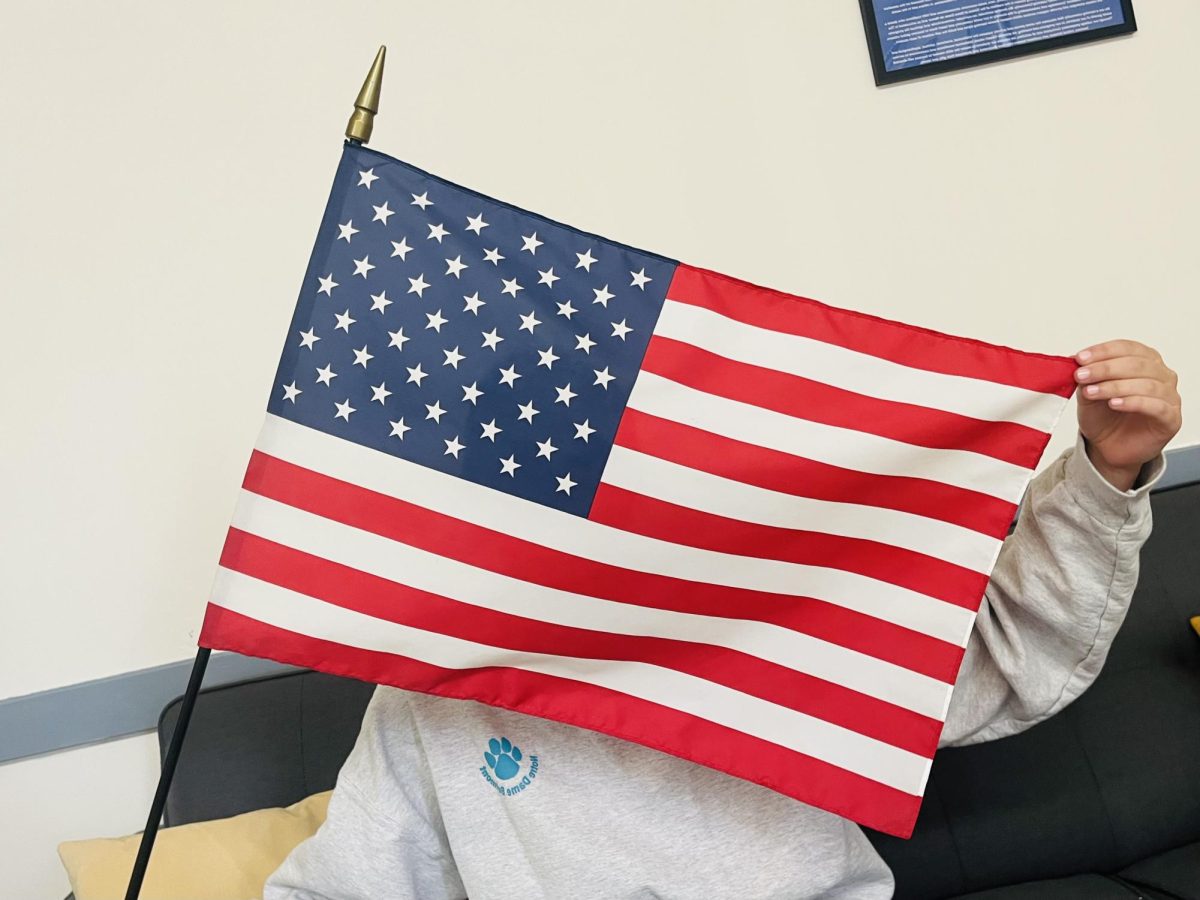
In summary, every holiday celebrated in the U.S. should be recognized, cherished, and appreciated, as each special day holds significance for our country. Other lesser-known holidays include Cesar Chavez Day on March 31, Flag Day on June 14 and Constitution Day on September 17—all dates meant for honoring important people or moments that deserve just as much recognition as the more commercial holidays. By educating oneself on the origins of a holiday and its current significance, we can properly celebrate our history and, therefore, our legacy.