As the new year begins, many students feel pressure to set intense fitness goals and completely transform their routines overnight. However, for student athletes and coaches, the focus this year is shifting toward balance, consistency, and enjoyment rather than extreme expectations.
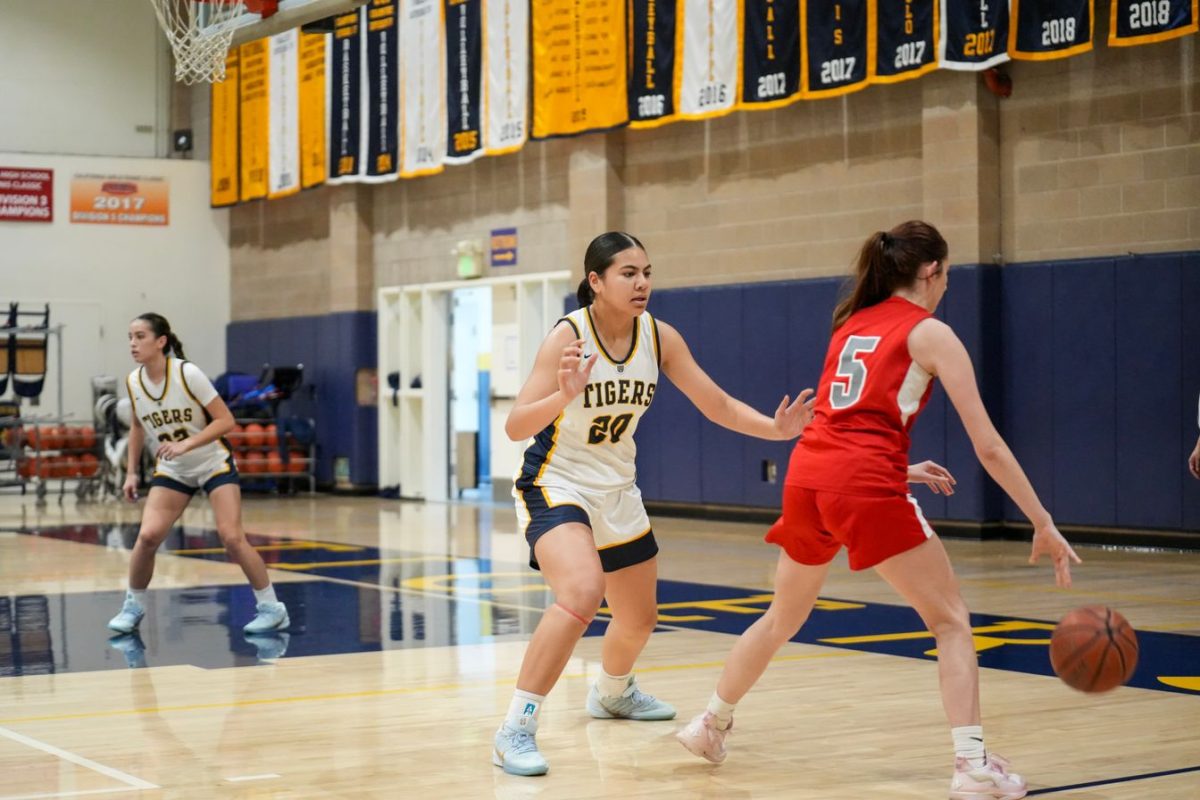
For many student athletes, setting fitness goals is about staying healthy and improving performance, not just changing appearance. Senior student athlete Gia Rivera shared, “My main goal for this new year is to stay consistent and feel stronger overall. Staying healthy and keeping my endurance is important because it helps me focus on my goals and not just my appearance.” Rivera continues, “One of my go-to fitness goals is to work on my strength. Volleyball is so fast, so I am always working on power and conditioning, and I want to continue doing so throughout the new year.”
Despite these challenges, motivation often comes from mental benefits. Many students say working out helps reduce stress and clear their minds. Rather than chasing extreme goals, students are leaning towards realistic ones like maintaining endurance, improving strength, or simply moving more. Maintaining this level of intensity can be challenging. Balancing schoolwork, practices, and personal time leaves little room for rest, and athletes often feel pressure to stay in peak shape at all times. The expectation to constantly improve can make fitness feel less like a choice and more like an obligation. As a result, many athletes are learning that pushing too hard without proper recovery can be just as harmful as not training enough.
Coaches also emphasize that rest and balance are just as important as physical effort. Overworking the body can lead to burnout or injury, especially for busy students. According to one coach, realistic habits include short workouts, active rest days, and listening to your body. Staying active doesn’t always require a gym, either: walking, stretching, or playing a sport can be just as effective.
Overall, the new year doesn’t have to be an instant transformation. Small, consistent habits can lead to long-term success, making fitness something sustainable, enjoyable, and beneficial for both physical and mental health.