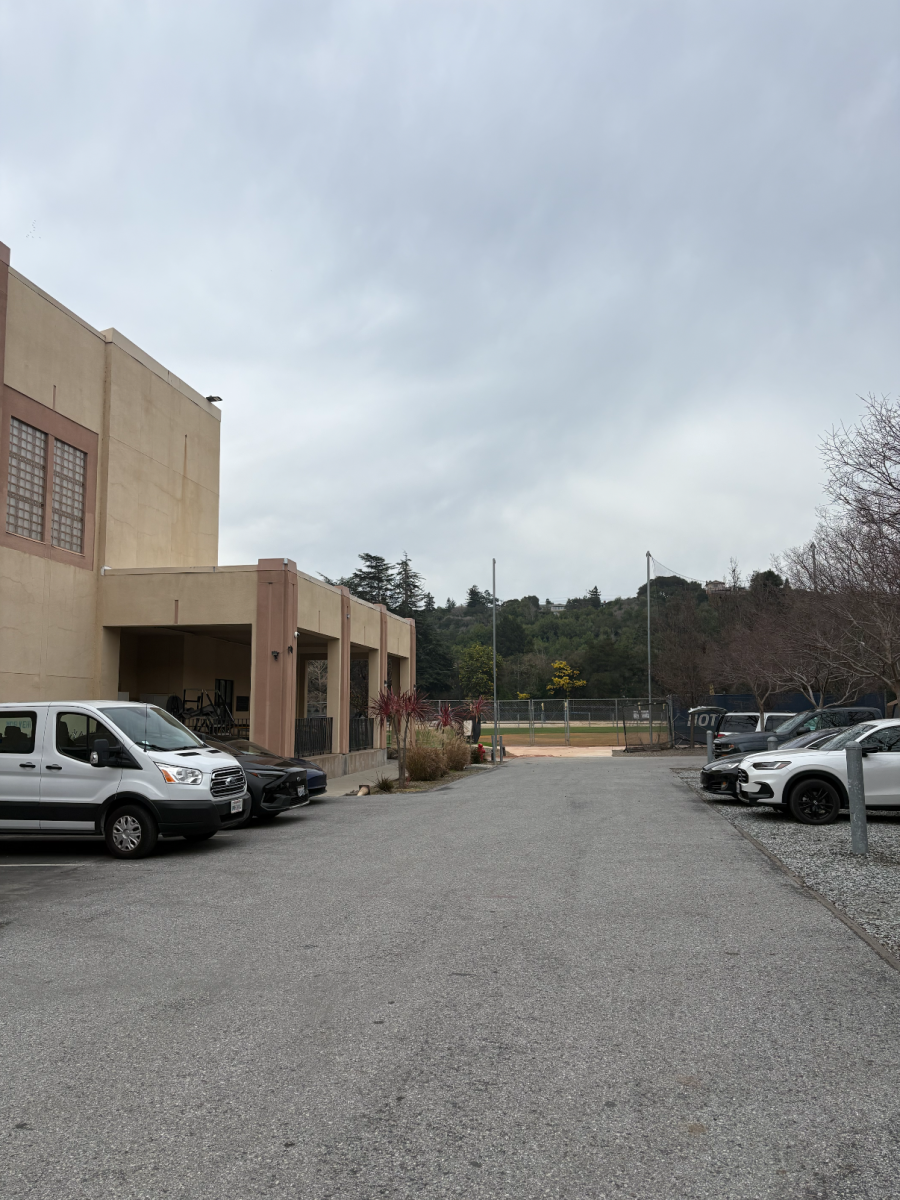
Many often picture California as having bright, warm and consistent weather throughout the year, as it is often depicted that way. However, the reality is that California, especially the Bay Area, still faces seasonal weather. Regardless of whether it snows, there are still periods of extreme rainfall and cold. Many students in the Bay Area, unfortunately, attend outdoor schools, where they spend the majority of their school day sitting in the cold. Luckily, at NDB, classes are all indoors, as well as the dining hall and various facilities. Unfortunately, many of the athletes experience challenges due to the weather when it comes to their sports.
The NDB soccer team holds practices outdoors each day, rain or shine. This can be difficult for many, as they often need to wear jackets and warm clothing while playing. This can negatively affect their performance and hold their team back from success. This especially affects the current year of a record-breaking cold season locally. According to SF Gate, “The San Francisco Bay Area has recently experienced record-breaking cold weather, breaking a 103-year-old temperature record with temperatures reaching only 50 degrees.” This statistic is a clear representation of the extreme weather impact that has recently hit the Bay Area. This weather is much more than just uncomfortable for athletes.
Despite cold weather reducing energy on a soccer or sports field due to discomfort, it is also inconvenient. In the rainy winter months, typically January and February, which are prime high school soccer season, practices and games are sometimes postponed or even cancelled. This can affect the schedules of students on a team who are managing heavy workloads, as student-athletes must plan their schedules around their playing times. It also reduces the number of games played when 2-3 are cancelled in a season, most often. Students strategically plan out their weekly schedule, deciding times to study for tests and complete homework assignments. When a game is postponed, they need to rearrange their schedules, which can be seen as a large inconvenience and can cause anxiety or stress. Another aspect of local extreme weather that is negative in the environment of a high school student is in the classroom.
Numerous students spend the majority of their evenings completing long hours of homework assignments and studying for tests to prepare for their week. However, when a stormy or rainy day hits, their entire day slows down, and at times, the work they put in goes to waste. When there is heavy rain, accidents are inevitable. This can create excessive traffic, making students late for school and potentially causing them to miss a class. This applies to extreme weather, which is rare but expected to occur in the next couple of months.
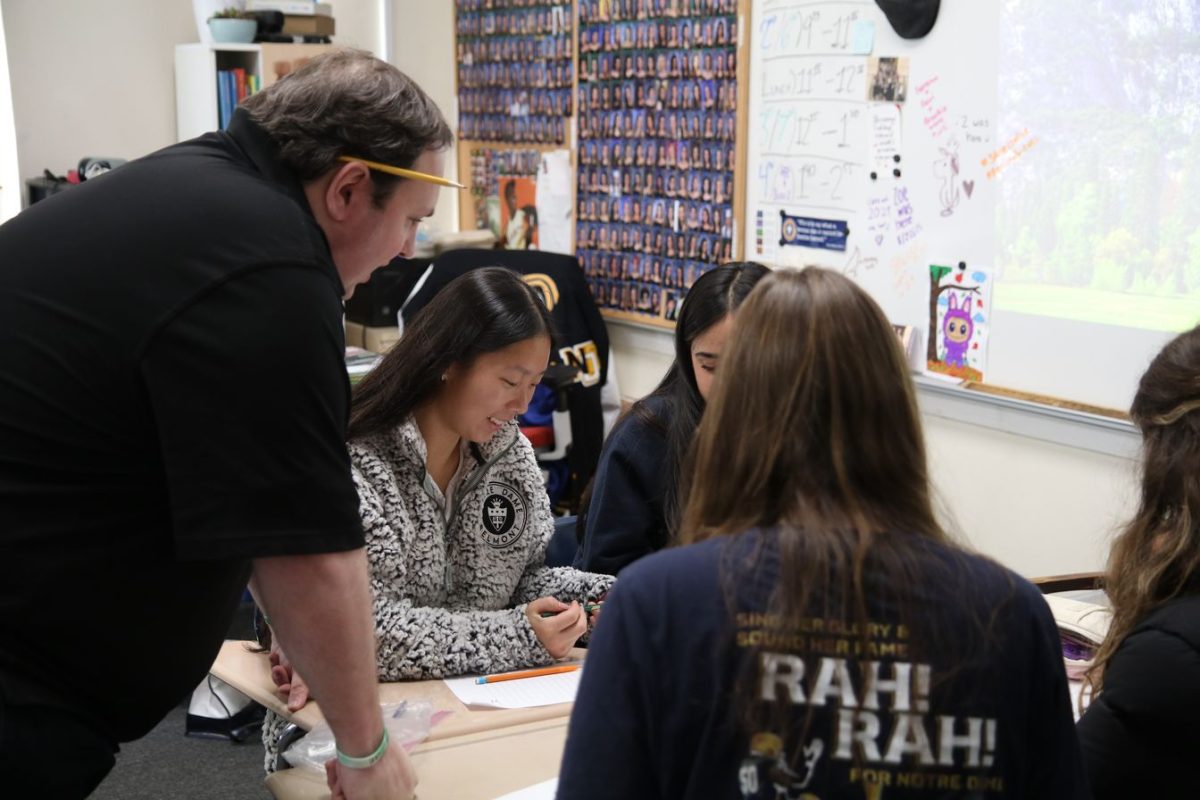
Finally, extreme weather can be demotivating and depressing for students during the most dull months of the school year. They can become extremely tired, and the weather often slows them down in a classroom setting. Waking up early and traveling to school when temperatures are in the low 40s and high 30s can leave students, especially those who spent their childhood in California, feeling depressed.
Unfortunately, facing poor weather conditions is unsettling but inevitable. There is no current solution, and it is something many students at NDB have to live with and get through. However, we are extremely lucky as the weather we have here is some of the best in the country, as we do not have to deal with snow when going to school. Although this is a record-breaking cold season, the community will get through this and continue to motivate students to get through these dull months and not let schedule changes affect their academic performance in the classroom or the field.