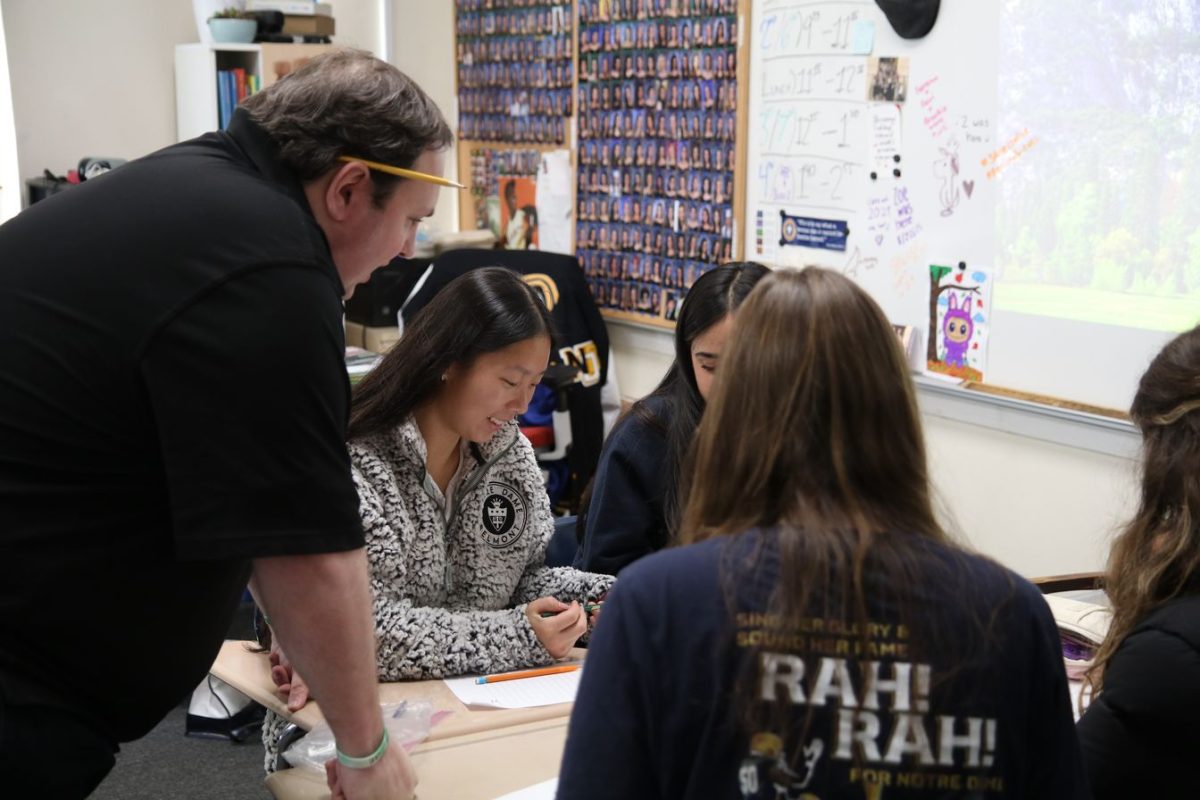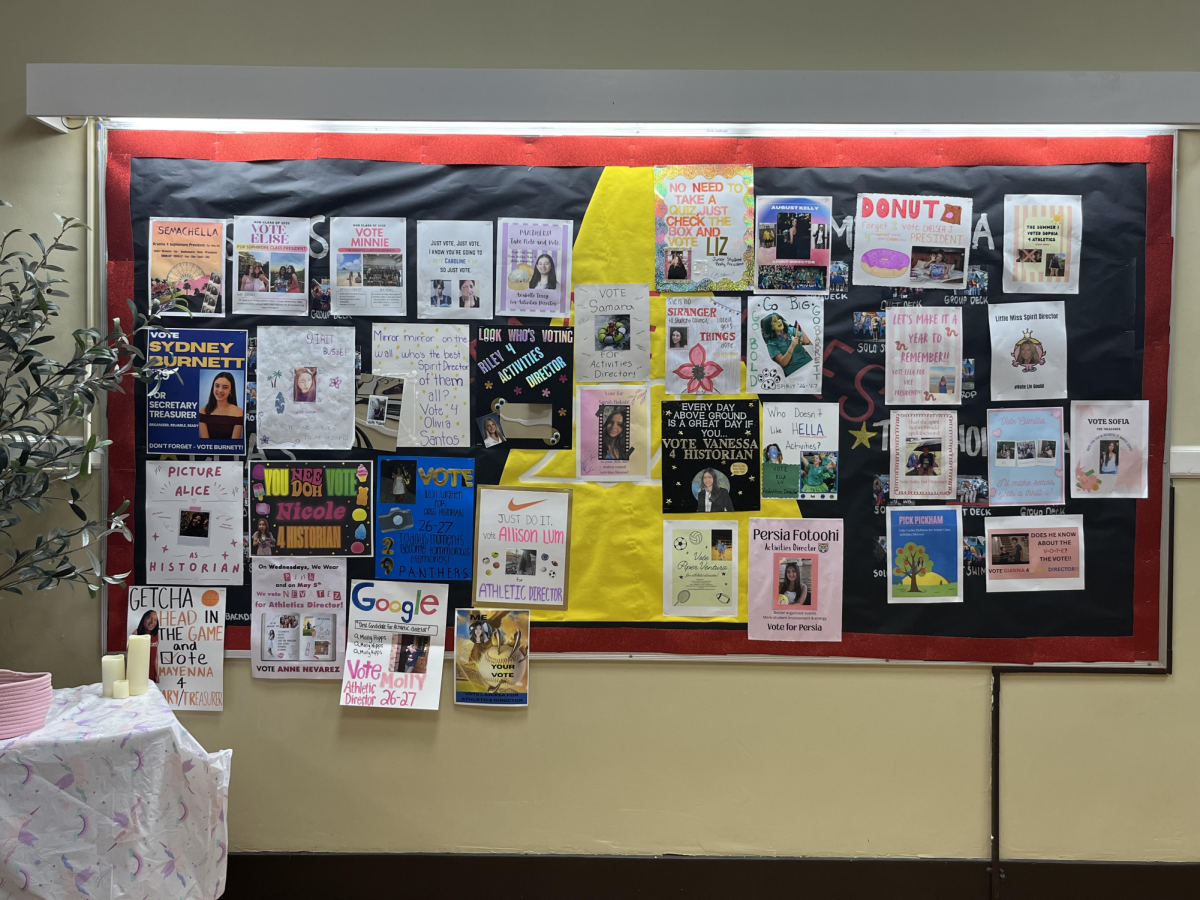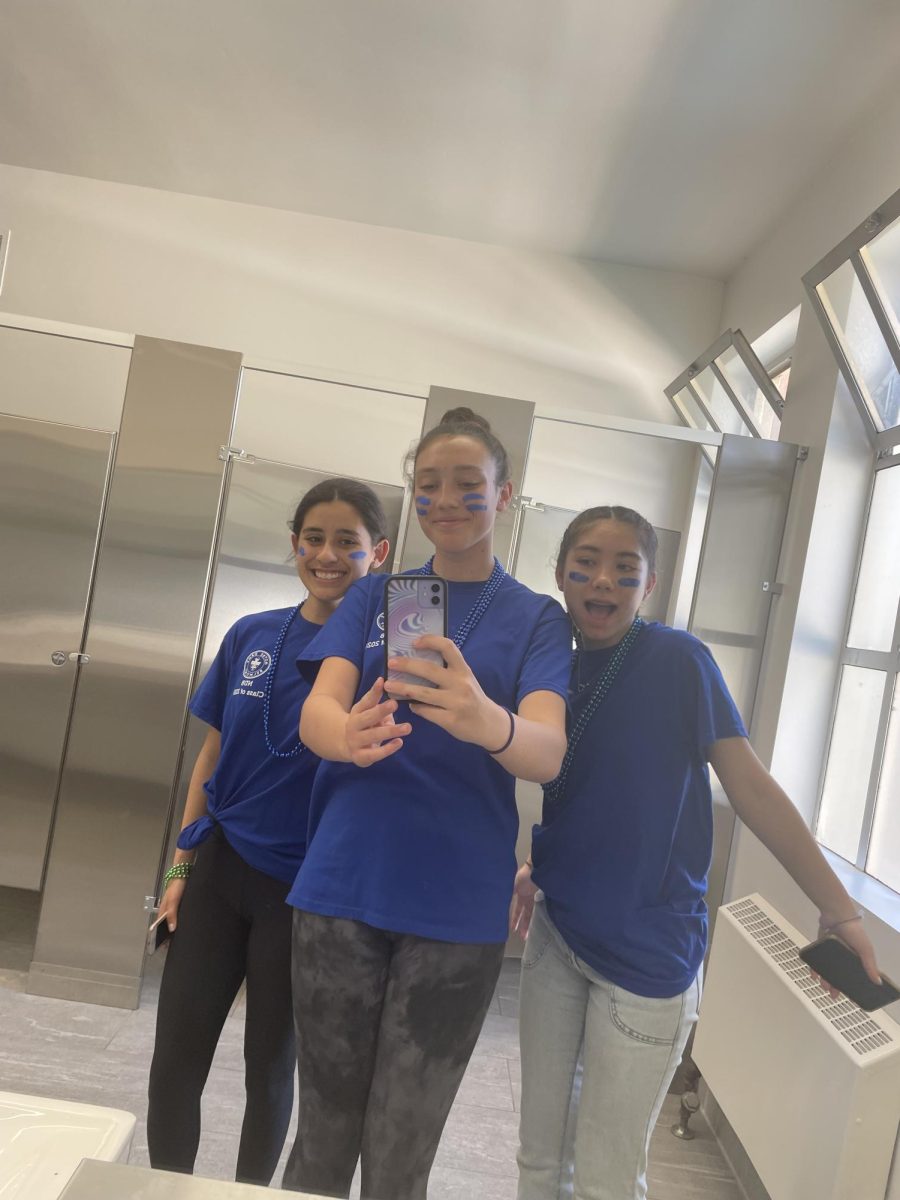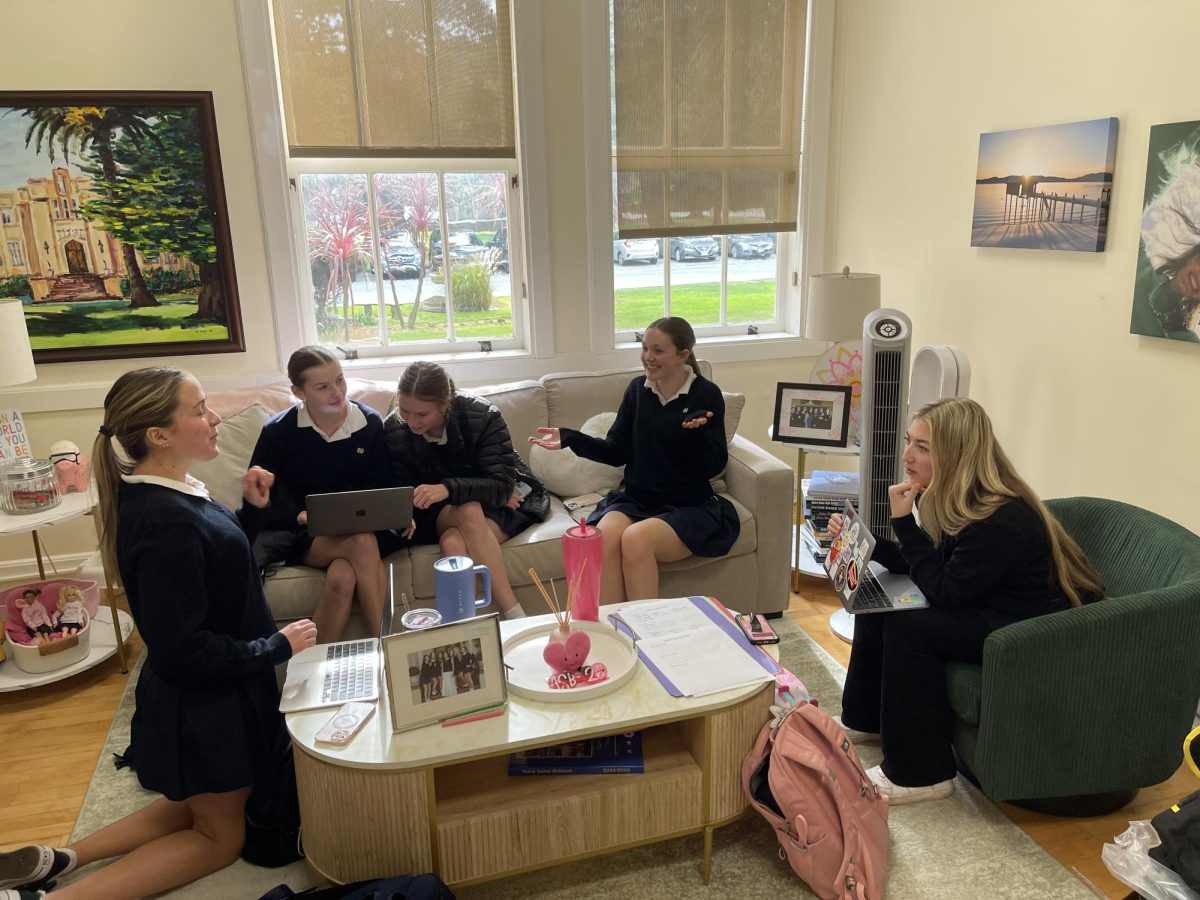
When students attend school, they have a right to be heard and for the school to consider their opinions when decisions are made. When students use their voices, they can speak for themselves by sharing opinions and experiences that actively shape campus life. At NDB, students have many leadership opportunities where they can express themselves. Some of these include serving on one of the seven boards, each of which leads a different part of the campus, taking part in the student council and participating in the journalism program. From ministry to school dances, students work with teachers to plan events that everyone will enjoy. After all, they are for the students, so should they not be geared towards them?
However, some individuals are not elected or accepted into a board. It is not because of their ideas, but of other factors such as grades, availability and experience. But it is important to ask, what about their voices? Are they unworthy of being heard? The answer is, of course not, and these boards and advisors work tirelessly to accept as many as they can and to create boards composed of people with diverse opinions. While those who are not accepted. may feel excluded, their wishes will still be recognized, but just carried out through their fellow students.
“I guess . . . teachers and . . . the people in charge . . . you know, Mrs. Essalat, they can’t know every single thing that . . . a student’s feeling, and they can’t know every single detail of what makes a school best. So having a student perspective kind of helps bring that student voice into making big decisions for the school,” said ASB President Olivia McGlynn, when asked if having a student perspective is helpful when making decisions that shape NDB.
Even beyond these opportunities, students still have a platform to raise their opinions. Administration works tirelessly to get as much student feedback as they can, whether it is through mid-semester forms, class feedback forms or even Head of School Meredith Essalat ‘98 keeping her door open, figuratively and literally, to students. Through these methods, students have every opportunity raise concerns or ideas, they just have to be willing to do so.
“We’re here for the student experience. We’re here to make high school feel memorable, fulfilling, robust. I mean, basically everything that every person wants out of their four years at Notre Dame . . . we want to make happen. . . And I say we because it is really, it’s . . . every faculty member working together on that. But so much of what we do and what we strive for is based on student feedback [and] student input,” shared Essalat.
However, as a principle, part of her job is determining priorities, and while she expressed that she values all student feedback, she looks at trends when considering changes. By considering these trends, she focuses her energy on what is most consistent and develops changes based on student feedback. While she strives to be as inclusive as possible, there may be instances where a student is unhappy and school policy trumps someone’s idea for change.
“Life is so much about compromise, right? And trying to find some level of middle ground where it’s not my priorities steamrolling over a student’s feelings. And it’s also not a student feeling that their individual priorities can dictate school policy. Right? The school policy has to be we strive to be as inclusive of everyone as we possibly can. I think those have been some of my favorite conversations that I’ve had over the last three and a half years,” explained Essalat when asked what happens if school policy conflicts with a student’s opinion.
Without that inside perspective, it becomes harder for students to understand the rationale behind decisions. They may feel their opinions are being dismissed when, in reality, that could not be further from the truth.
“I think that sometimes they [students] think you’re listening to it [student opinions], but you’ve already made your decision, and so they assume that it’s not a valid conversation. And so that sometimes creates a little bit of tension, and . . . that’s not really what’s happening. It’s just that sometimes the thing you want isn’t something I can do with the constraints that I have,” said Director of Scheduling and Registrar Jolanda Breazeale ’86.
Because students are the ones attending school, they are the catalysts and motivation for change. Their experiences and feedback drive progress. NDB is shaped by students and, in some ways, run by them. Without student voices, NDB would be a shell of a school, simply educating students and not inspiring them to use their voices and understanding that it has power.