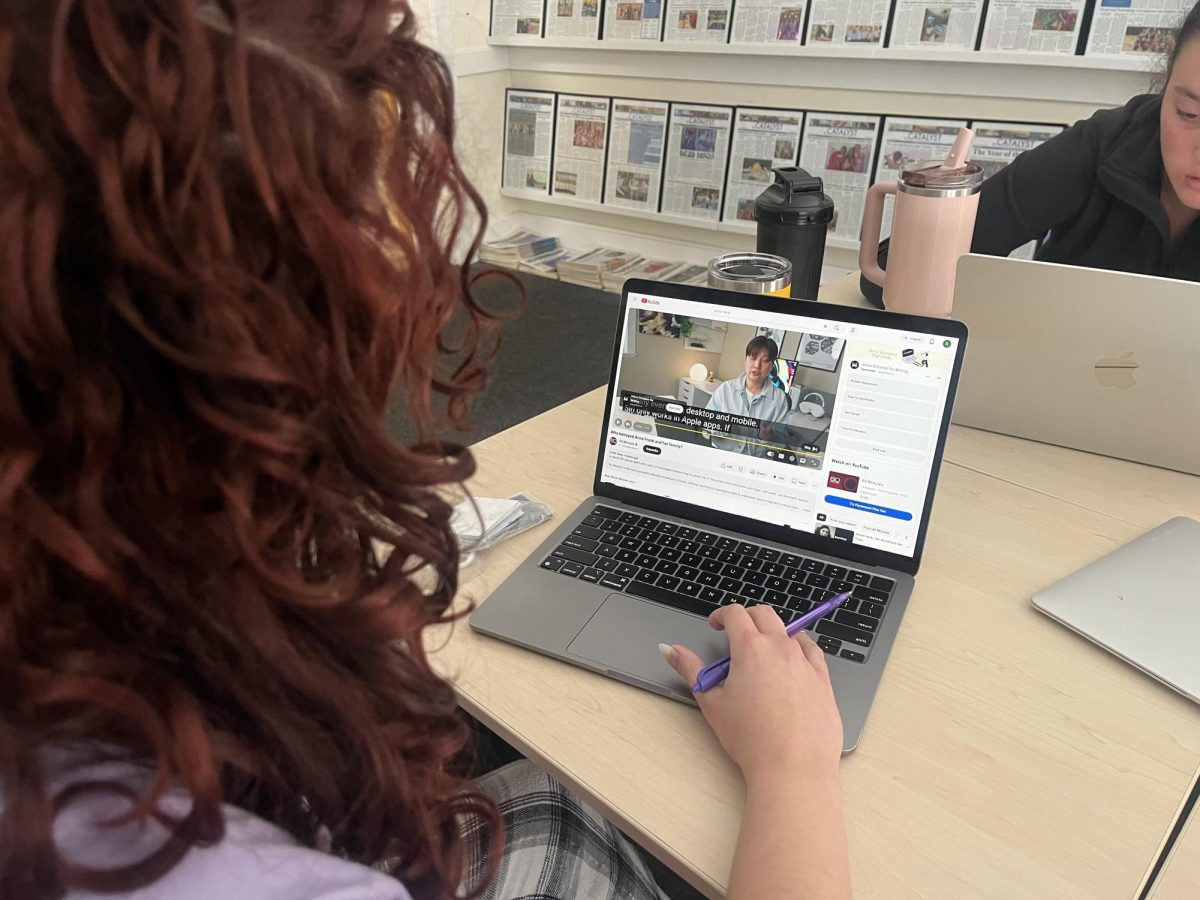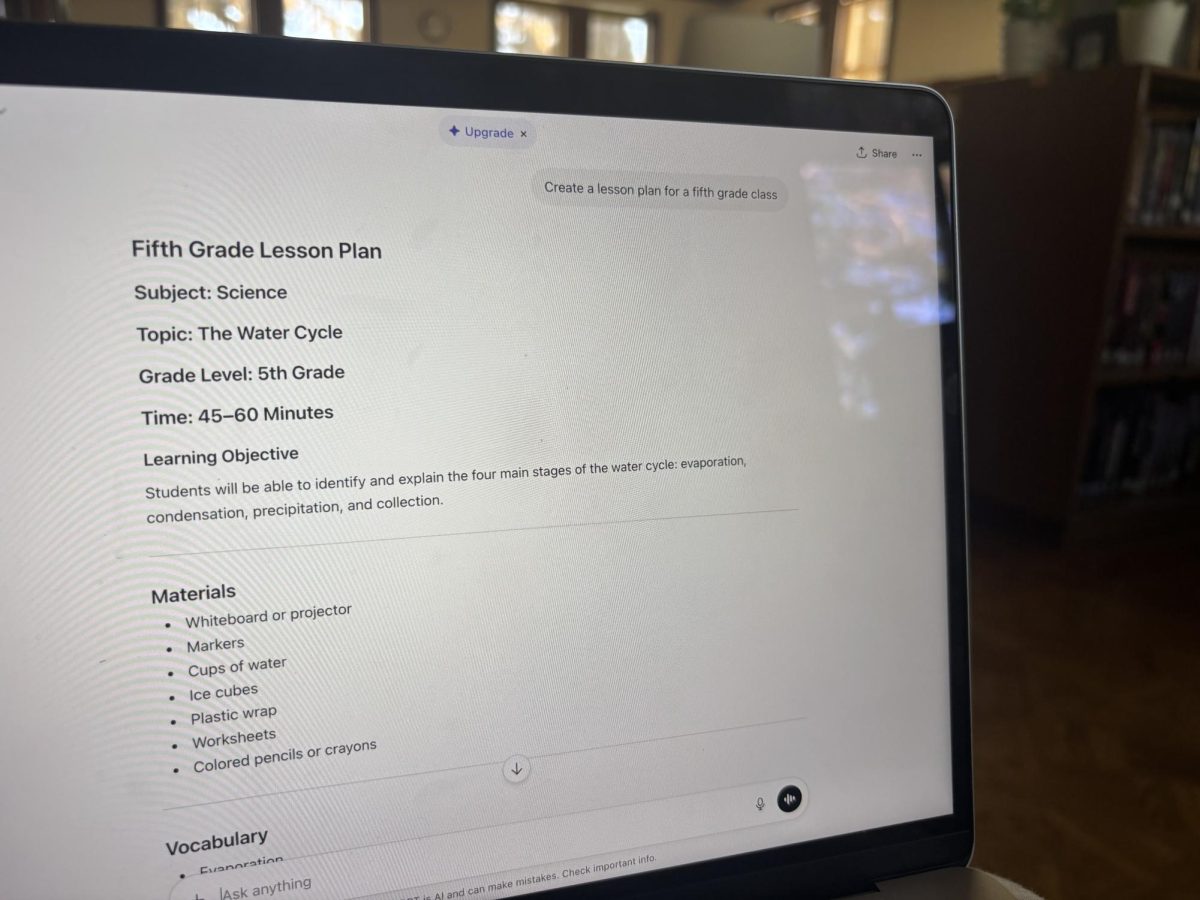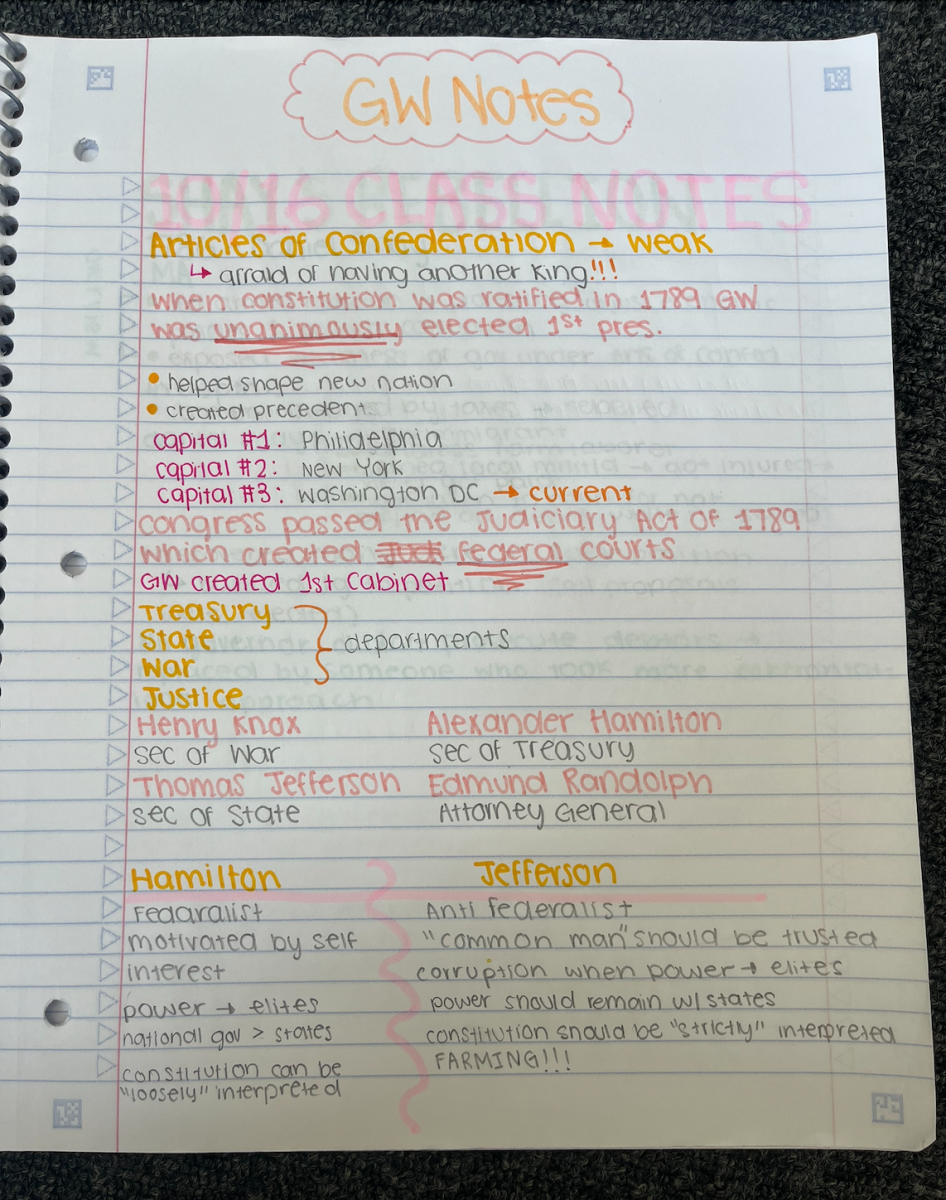
With laptops and tablets in nearly every classroom, note-taking has become faster than ever, but not necessarily more effective.
For many students, digital notes mean speed and convenience. Typing pages of text feels efficient, especially during fast lectures. But that speed can come at a cost. When we type everything a teacher says, we often stop processing the ideas behind the words.
Research suggests handwritten notes help our brains make sense of information in ways that typing doesn’t. According to a Scientific American article, writing by hand engages cognitive processes tied to memory and learning, resulting in deeper comprehension and improved retention of information.
Students who take notes by hand must summarize and reframe information in real time. This slows them down just enough to think about what matters. When we type on a laptop, the risk that we’ll copy everything verbatim is high, turning notes into a transcript rather than a tool for understanding.
I’ve experienced this tension firsthand. I love color-coding pages in my notebook and organizing ideas by hand. The physical act of writing helps me remember key concepts and connect themes more clearly. But in demanding courses like AP U.S. History, where we’re expected to produce detailed Cornell notes almost every class, I often gravitate towards Google Docs. Digital templates make it easy to structure and save time.
And yet, even when digital notes save time, I find myself returning to them again and again to review content that seemed clear at first glance. With handwritten notes, I rarely need to revisit as often because the ideas stuck the first time. That difference matters during tests and finals.
This isn’t an argument to reject technology outright. Digital tools are powerful when used with intention. But students can ask themselves: Are their digital notes helping them think, or just helping them copy? One strategy is to slow down typing, paraphrase ideas instead of transcribing them, and mix in hand-written summaries.
Laptops are here to stay. But we don’t have to let convenience undermine comprehension.