 Cameron Howes, Senior
“I don’t think teachers should be able to use AI because, if [students] can’t use AI, [teachers] need to use their brain power for their own lessons, just like we need to use ours for the homework that they give us. So, it is completely unfair if they use it and students can’t. And, I think a lot of the teaching comes from the brain and the heart, and it makes the lessons more meaningful and easier to learn when it’s made by a human. And, I think that in the age of AI, it is important to regulate ourselves and keep using our natural human resources.”
Jennifer Dorn, English teacher 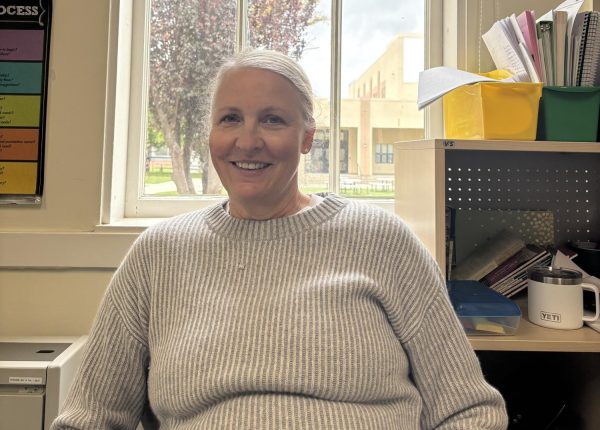
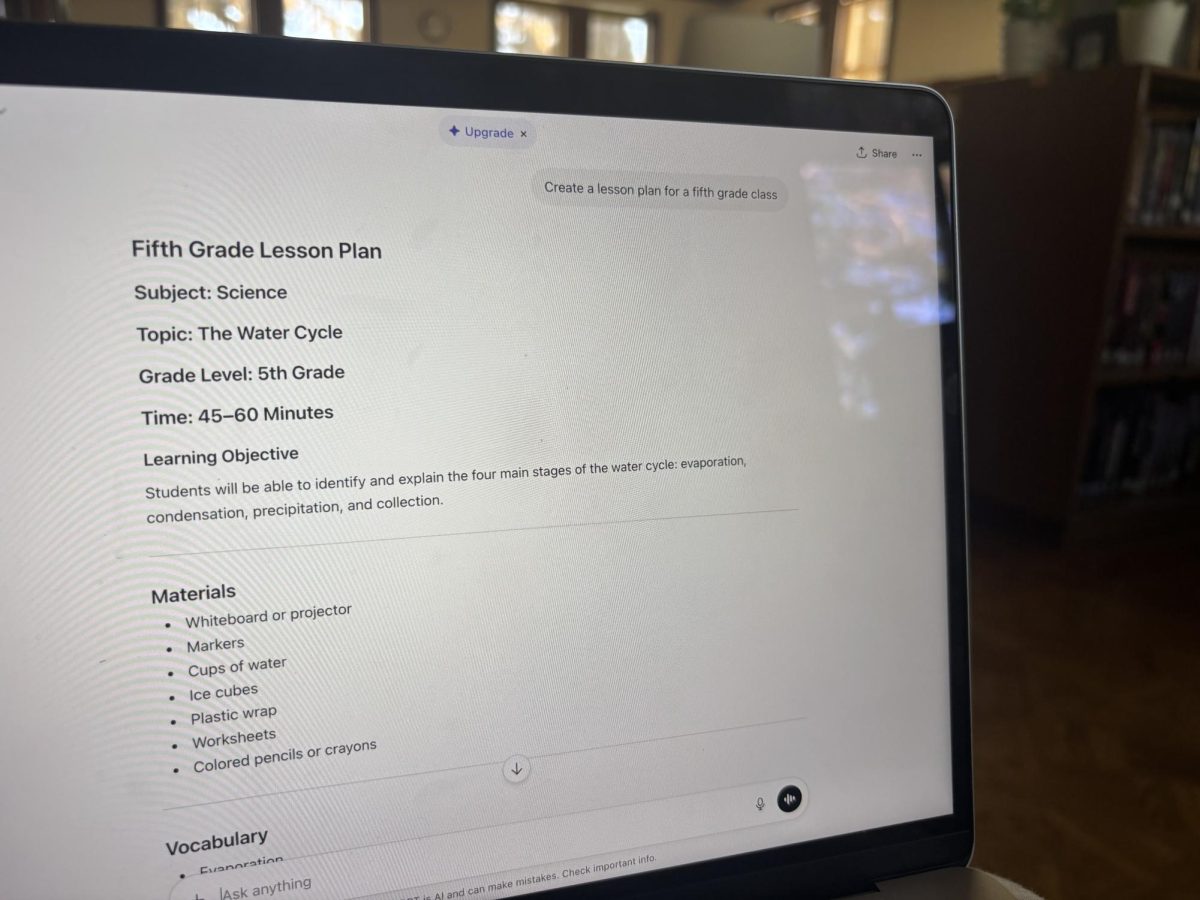
“Yes, I do because I think it’s a good [way to save] time, especially for making a multiple-choice test. However, you cannot 100% rely on it because you have to tweak it and make it your own version. It’s a good baseline and way to gather ideas for curriculum, project ideas to enhance student engagement and even for grading sometimes. I’ve done that, just to save time, but then I revise it so that it aligns with what I’ve taught in class. Copying and pasting from AI is definitely not okay, but taking ideas from it is beneficial for learning.”
 Elizabeth Scott, Junior
“I do not think teachers should be able to use AI. It’s a hypocrisy if they can use it and students can’t. I also don’t fully trust AI, especially when it comes to my education. So, I don’t think my grade should depend on something that isn’t completely reliable because I’m aware that AI can make mistakes and [that] it’s easy to copy and paste work that is not fully trustworthy.”
Jolanda Breazeale ‘86, Dean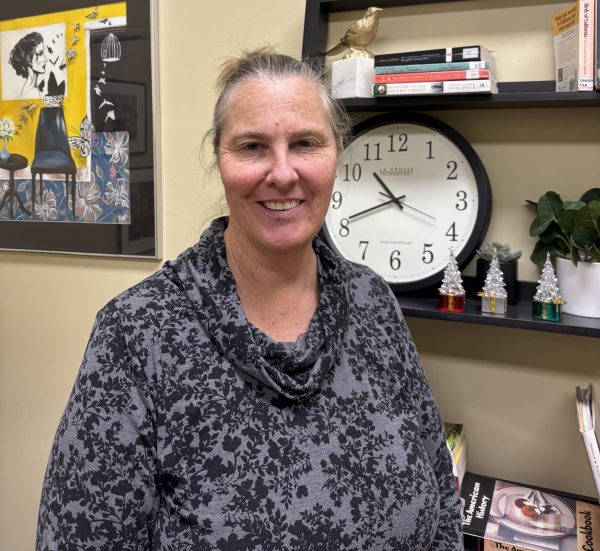
“AI is a tool, like any other tool you have. There’s nothing inherently problematic. It’s about how you use it … Just because I could have AI write a lesson plan for me as a teacher doesn’t mean I should do that. Grammarly is a spell check … Way before Grammarly, we had spell check and grammar check in Microsoft Word and … Google Docs, and people didn’t really have a major problem with it … Then, it starts to get smarter, and now it comes into providing suggestions for you … It starts to create a voice that’s not necessarily yours … You have to proceed with caution.”