Group projects are supposed to be about teamwork, but they tend to be far harder than anyone ever anticipates. Everyone has different schedules and ways of doing things. What should be a simple assignment almost always turns into stress, confusion and way too much annoying coordinating.
Some people do more than others. Some people do less than you expect. Some people want to do the whole thing differently. Why is it always like this? Trying to figure out a plan that works for everyone can take longer than actually finishing the work.
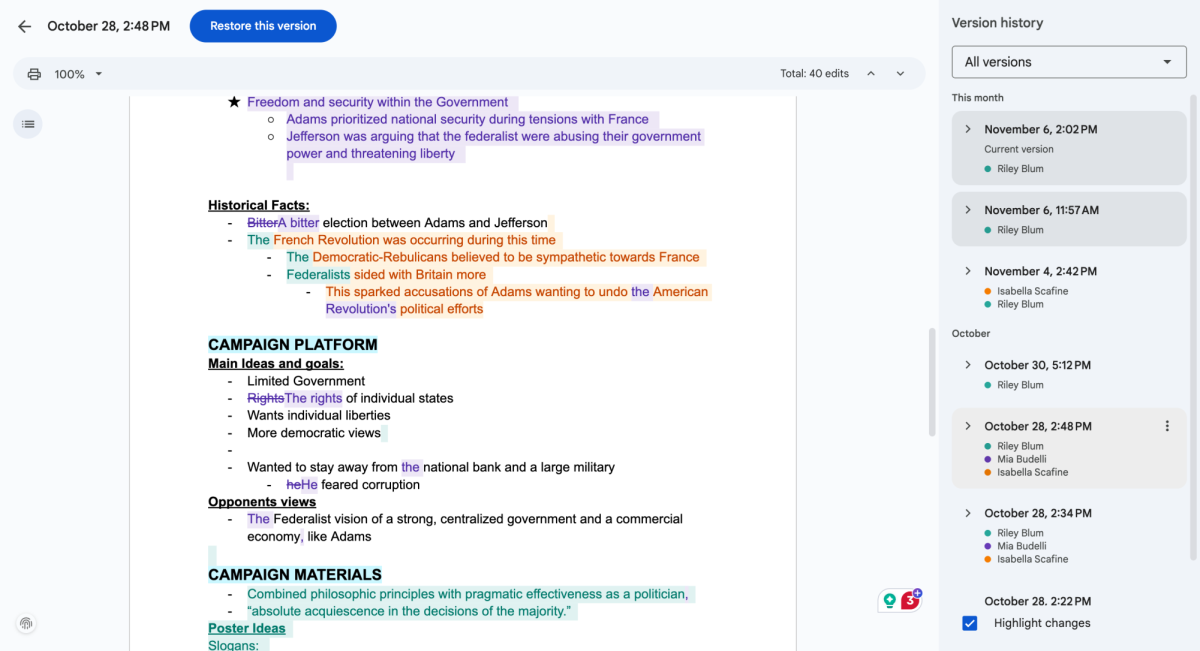
Everything adds up. Trying to find a time to meet is practically impossible when everyone has their own extracurricular activities and lives in different cities. Combine that with remembering who is doing what and making sure everyone actually understands the instructions, and it can start to feel like a full-time job. You do your part, but there is always a worry about whether someone else will do theirs.
Of course, group projects have their advantages. They teach communication skills and make you work with people whom you otherwise would not, which is great practice for the “real world.” Working with a group can also benefit the project, as talking ideas through can actually make it better than you imagined. But those moments are rare, and more often than not, the stress takes over.
Even with the upsides, group projects are still wildly exhausting. You spend so much time coordinating and checking in that it feels like the work is more about managing people than the assignment itself. Every interaction can feel tense and small mistakes throw off the entire project.
Group projects are meant to teach collaboration, but they mostly test patience and endurance. They are lessons in compromise and flexibility, mixed with loads of stress. No matter how organized a group is, there are moments when you wish you could just do it alone. And that’s usually how it feels, every single time.