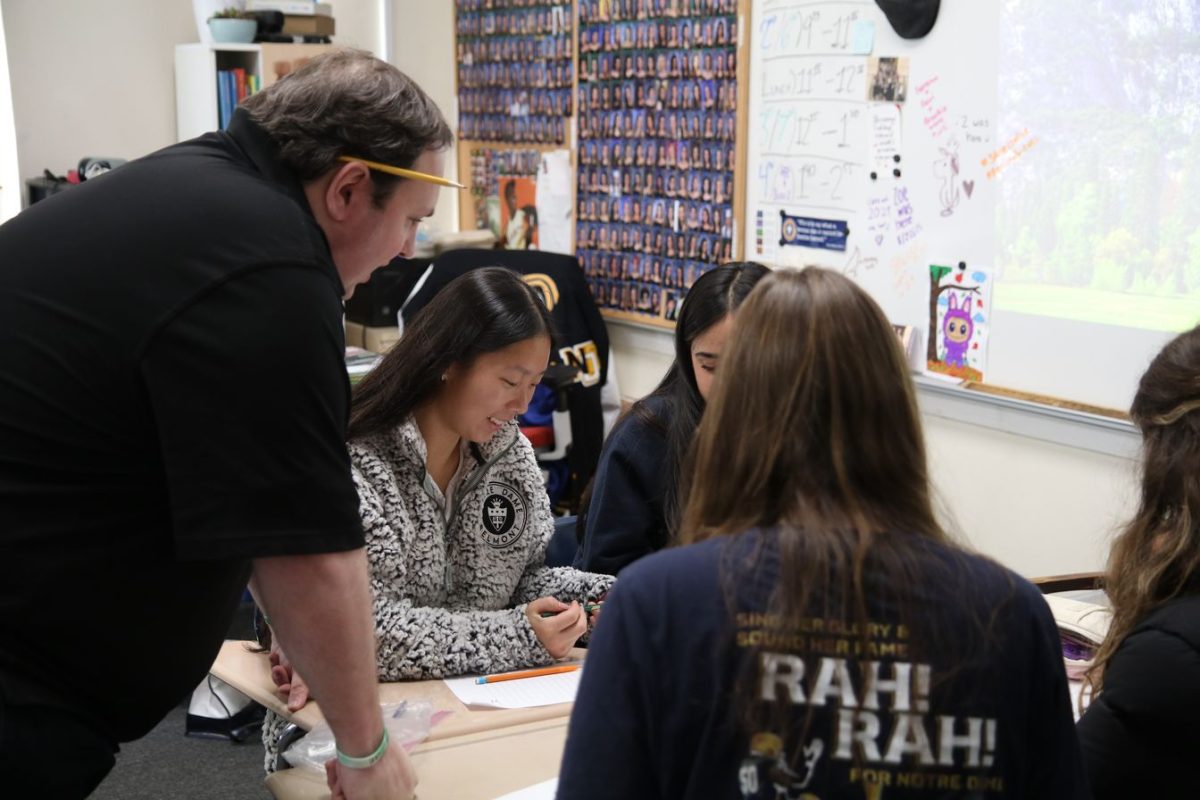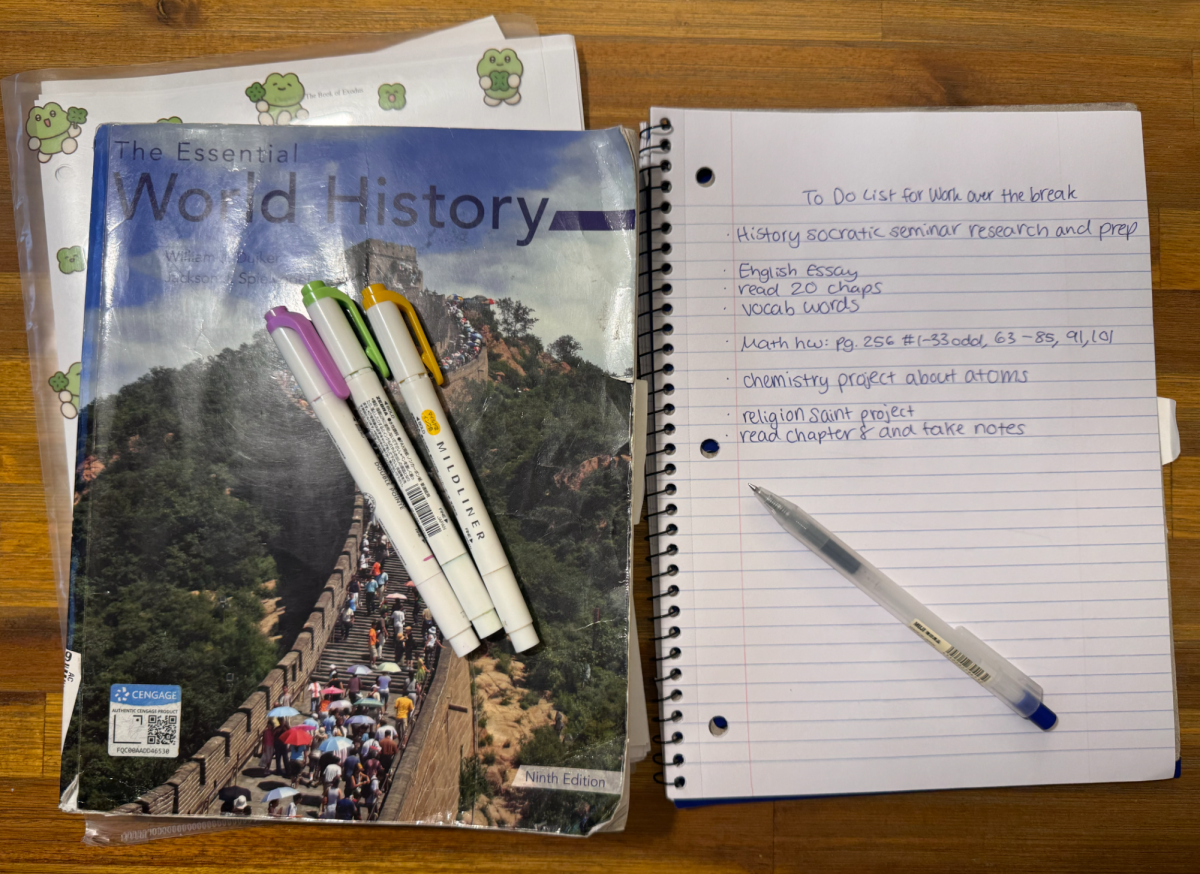
Many students of all grade levels look forward to breaks when they can relax and disconnect from the stress of school. Typically, students, especially in high school, do get assigned homework to help supplement their learning. However, this practice does not supplement learning; instead, it creates more stress.
Students can become burned out because they do not get proper time away from their studies. Constant grinding of work can lead to mental and physical exhaustion. For example, one may be stuck doing hours of homework, leaving little time to exercise or eat, which negatively affects one’s health. According to the National Library of Medicine’s study about the burnout of US physicians, “In this cross-sectional study of 3024 US physicians, 59.6% took 3 weeks of vacation or less per year, and 70.4% worked while on vacation on a typical vacation day; both findings were associated with higher rates of burnout.” This shows that even in a professional environment, working during a time meant for a break can be negative.
During a time without a busy school schedule, it opens up opportunities for students to find other areas of interest. At Notre Dame Belmont, we offer intersession, which is a time where students are able to get a week off from school and explore their interests through events hosted by the school, international trips or internships. Students should be able to fully focus on an area that they are interested in, without worrying about an assignment for a class. This can take away the true meaning of what they want to do, creating a distraction that further prevents them from finding their true passion.
Although teachers and parents may be concerned that without work assigned, the students may forget what they learned, it is important to acknowledge that breaks are needed in order for them to succeed. If they are constantly grinding, it causes more of a negative effect than a positive one, as their mental health can be shaken and lower their physical health. As a solution, teachers should try to allow students, ahead of time, the work that is due after the break so they can finish it before. They can also provide smaller assignments, such as taking photos of what they do during break, which could relate to what they are learning in class.
The boundary between school and rest should be kept as it fosters rest, which can eventually lead a student to become more motivated after a break and to explore areas of interest. Students and teachers should work together to find ways for the teacher to help students remain curious and want to learn without it becoming too stressful.