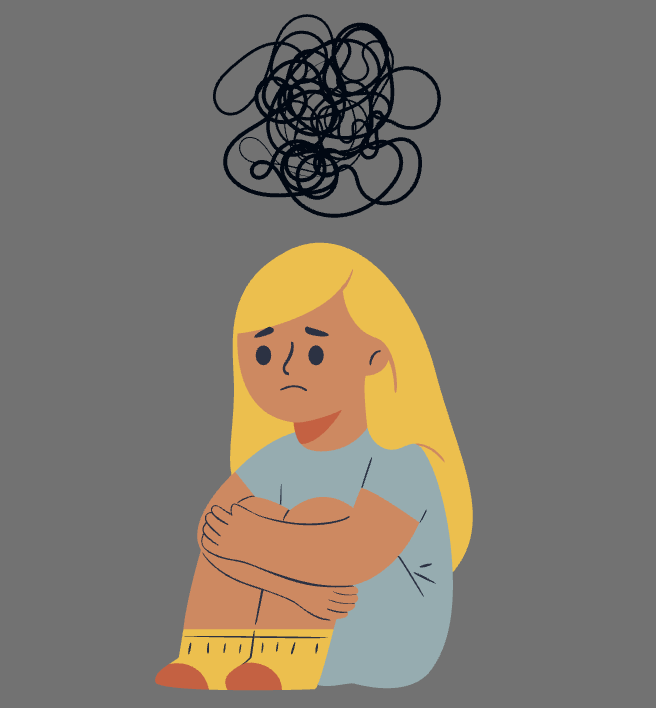
Most NDB students associate the colder months of the year with the holidays, togetherness, and happy memories. This isn’t the same case for everyone. Seasonal Affective Disorder (SAD) is a type of depression that’s related to changes in seasons. About 5% of adults in the United States experience SAD, with women being about 4 times as likely as men to develop it. SAD is associated with the shorter days and less daylight during fall and winter. It can alter people’s moods and can affect the way a person feels, thinks, and acts.
One reason SAD can occur is when a person’s circadian rhythm is disrupted. A person’s circadian rhythm is their natural 24-hour cycle. This cycle guides the body on when to sleep and wake up. It also influences hormones, body temperature, and digestion. The change of seasons is thought to disrupt this rhythm, leading to symptoms of depression and causing SAD.
“So it’s our rhythms with the Earth. It’s our heritage. Back to the roots that we are. We are human beings. We are profoundly affected by the cycles in the Earth and seasons in life,” said psychology teacher Coleen Lorenz on the effect of the change of seasons on a person’s circadian rhythm.
During the colder months, when there is less sunlight and shorter days, the brain is triggered to produce more melatonin. Melatonin is a natural hormone that plays a role in managing a person’s sleep-wake cycle and circadian rhythm. The overproduction of melatonin can cause sluggishness, a loss of energy, and other depression symptoms.
Lorenz added that melatonin levels can become “out of whack” for people with SAD, saying, “It’s a very, very real and potent challenge.”
Research has been done that shows lifestyle can also affect the chances of SAD. Individuals who spend a large amount of time outdoors receive considerable exposure to sunlight, causing them to be less likely to be diagnosed with SAD. Living a social lifestyle also decreases the chances of getting SAD, as spending time with other individuals lessens feelings of loneliness and isolation and reduces stress hormone levels.
“Going out in the morning to get the sun is really important; that is what sets up your circadian rhythm right for the day,” said AP Psychology teacher Melanie Flint on the effect of receiving natural sunlight on your body.
People with SAD may notice several symptoms. Some emotional symptoms include loss of interest in previously enjoyable activities, social withdrawal, increased sensitivity to rejection, grumpiness, anxiety, and feeling guilty or hopeless. Some physical symptoms include increased sleep, extreme tiredness, fatigue, headaches, cramps, and digestive problems.
Flint added, “If you’re feeling numb or sad, do you think you’re going to go to, want to go to a movie? Probably not, right? So again, it becomes kind of like this perpetuating cycle.”
There are many solutions to this issue. Research has shown that exposure to sunlight can help alleviate symptoms of SAD. If a person is unable to receive this exposure, then light therapy is a great alternative.
Psychotherapy is a form of mental health treatment that involves a trained professional working with an individual to improve their emotional well-being and health. It can help a person acknowledge what is causing them stress and change distorted views of themselves and their environment caused by SAD. In rare cases of SAD, antidepressants may be prescribed to someone diagnosed with SAD to help reduce symptoms.
Research indicates that physical activity can help alleviate symptoms of SAD. Movement engages the body and oxygenates the brain. It releases endorphins and boosts brain chemicals that can improve a person’s mood while also reducing stress hormones. When combined with light therapy, a huge, positive impact can be made on someone diagnosed with SAD. Counselor Allan Gargaritano noted that people are talking more openly about mental health and supporting each other in new ways.
Even if it can’t be seen right away, one can never fully understand what someone is going through. People need to educate themselves on the struggles of SAD so that they can support others diagnosed with it. Sometimes just being understanding can make a huge difference to someone coping with SAD.