Skip to Content
Categories:

How does a student journalist navigate a protest?: A comprehensive guide

How does a student journalist navigate a protest?: A comprehensive guide
The Catalyst / Alexandra Charnas
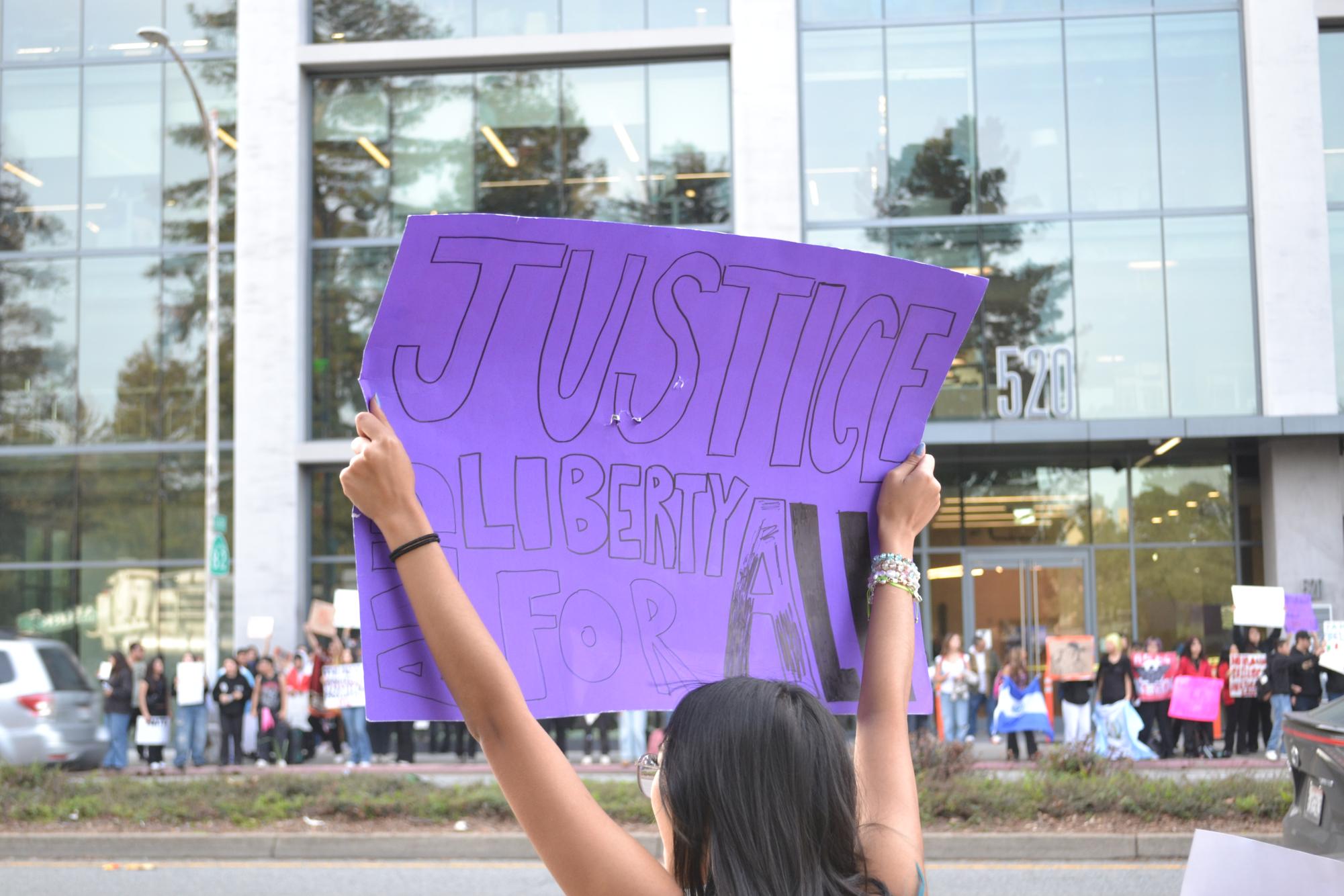
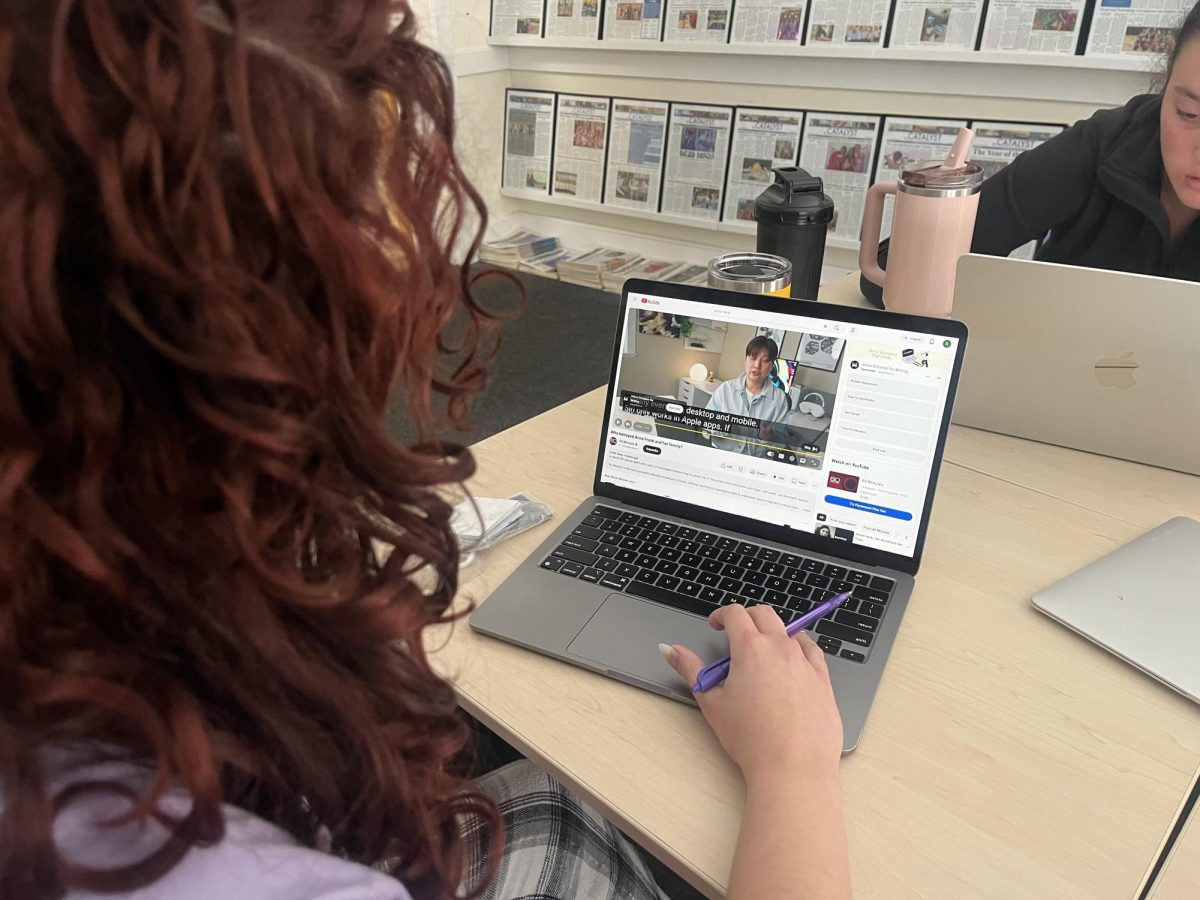
Thorough preparation means keeping in mind the amount of people, supplies needed and potential interviewees.
Getting the context

Journalists are responsible for delivering local and global events to the homes of the public, including protests. However student-journalists, especially teens may be worried about diving into large gatherings or crowds, so how do young reporters navigate protests?

Prior to covering any story, journalists should review the context of the issue, including both arguments or opinions. When covering a protest specifically, understanding the scale of the topic and who can be expected to join the conversation is critical. 

For example, is this a high school organized protest? Are general members of the public invited? Will law enforcement be present? These questions can guide a conversation and prepare reporters for the types of interviewees they may find at the event.

Thorough preparation means keeping in mind the amount of people, supplies needed and potential interviewees. (The Catalyst / Alexandra Charnas)
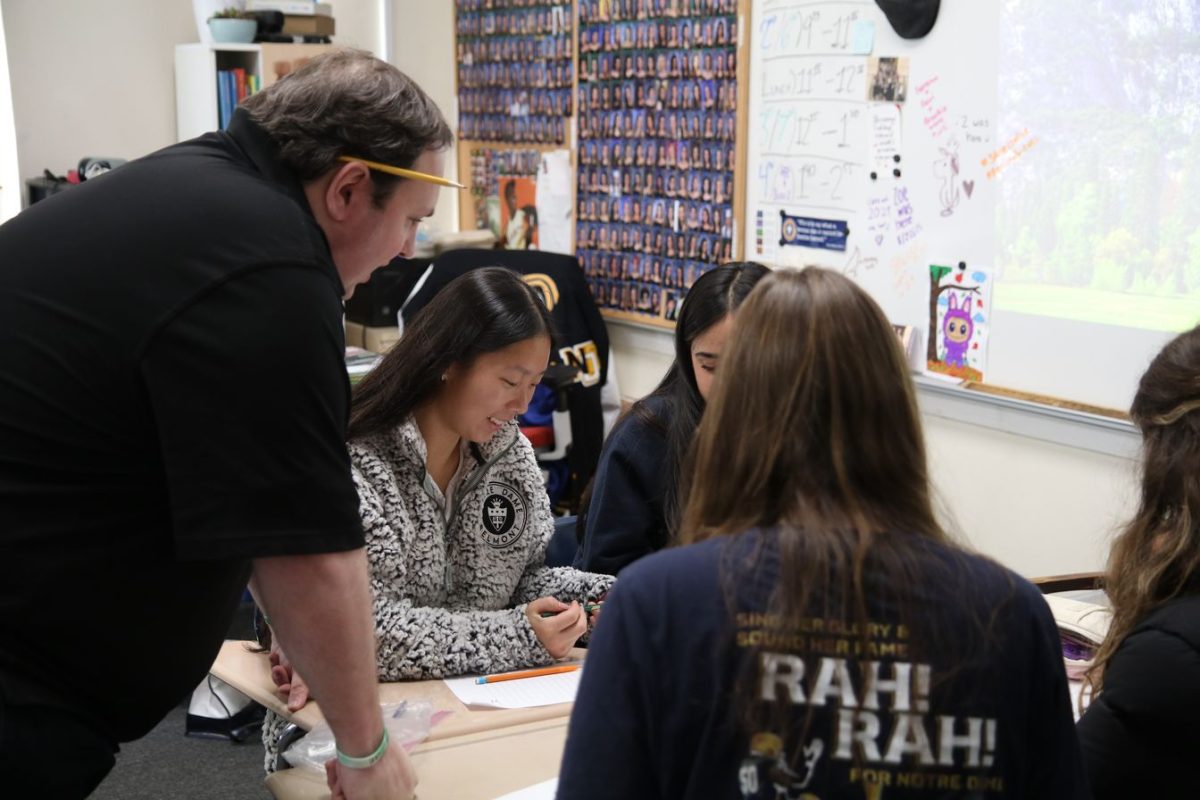
Notifying fellow staff members, editors and journalism advisers is critical, in case of emergency.
Preparation for the event

After establishing the who and what members of the protest, journalists should make a plan of how to attend the event. 

The first step is to notify your Editor in Chief, Advisor and parents/guardians that you are attending a protest. Let them know who you expect to be there and the size of the protest. 

Next, plan a route. If protestors are expected to walk to a public location, organize how you will navigate parking or driving. For example, driving ahead to where protestors are walking, planning which street to park a car on and more can help ease the reporting stress.

Keep in mind the equipment you plan to bring and the type of battery life needed to cover the event.

Additionally, clothing and gear is essential to letting the public know who you are in the protest. This starts with wearing a visible press pass in the event that law enforcement tries to intervene with your reporting.

Clothing wise, avoid wearing shirts associated with the topic, otherwise you may be considered as a protestor, not a reporter. Aim for neutral colors or wearing your publication’s jacket/sweatshirt. Depending on the protest, you may be standing or walking for several hours, therefore wear comfortable shoes that can cater to sudden needs, including running away from danger.

When it comes to protective gear, tear masks or goggles may be important for the protest; however, most student-journalists will not be covering an event to that extent.

Lastly, carry food or water. Depending on how long the gathering plans to last, reporters may be outside for long periods of time. Therefore, carrying sufficient snacks or drinks to stay hydrated is critical to the health of the journalist.

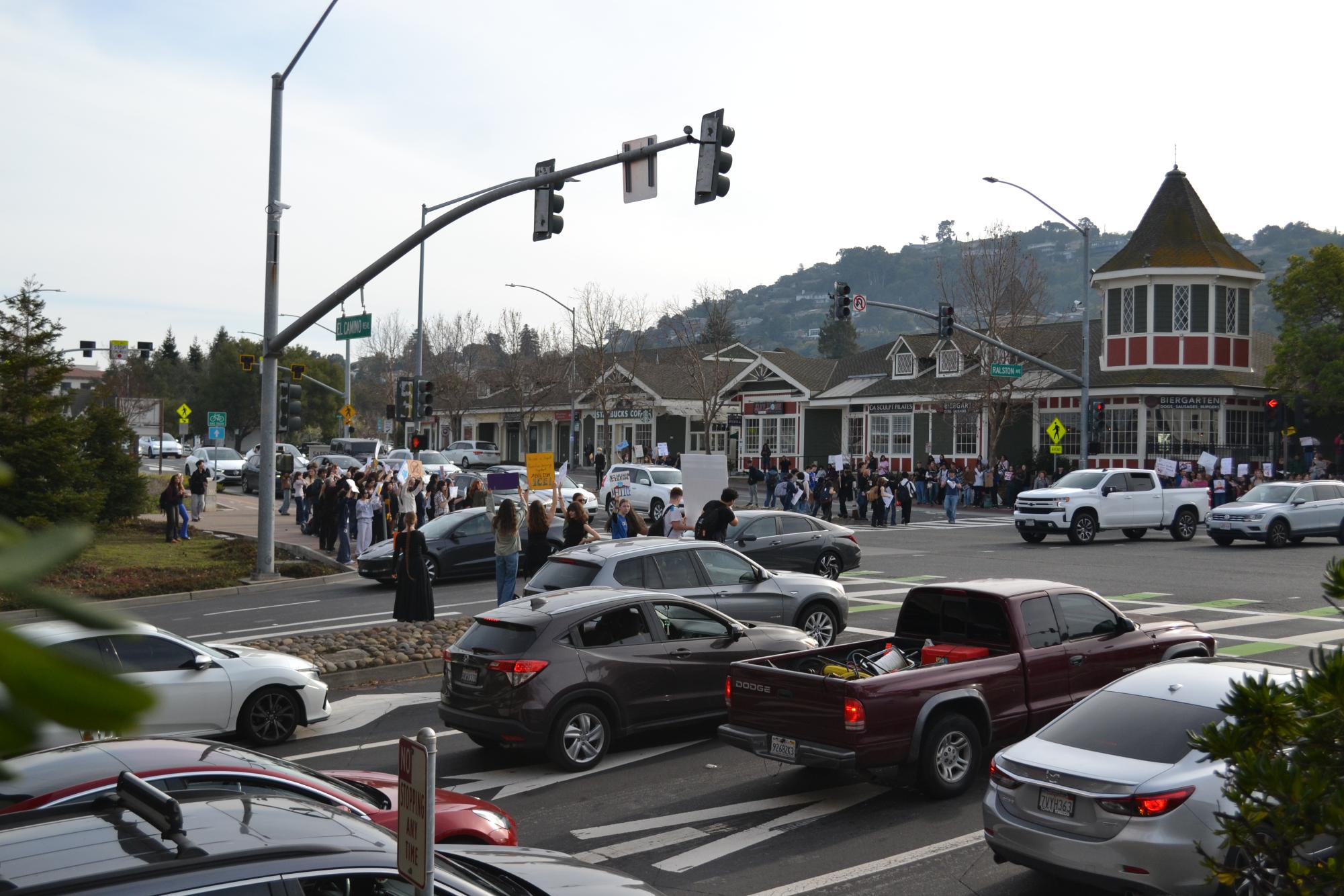
Notifying fellow staff members, editors and journalism advisers is critical, in case of emergency. (The Catalyst / Alexandra Charnas)
To lead and carry out an impactful protest, students and student-journalists alike must be educated and prepared to handle a variety of situations.
Reporting and writing

When reporters finally step onto the grounds of a protest, they have a job to maintain. It may be intimidating to see large groups of people or overwhelmed with loud noises; however, staying calm and keeping in mind your responsibility can ease the anxiety.

Look for interviewees that are passionate but approachable, you want to keep in mind your safety and how someone may react to you being there.

While in the field, listen to law enforcement and police instruction. Obey all laws and practice ethical reporting. Journalists should not interfere with any arrests while on the scene. You are observing and asking questions, not a protestor, expressing your opinion.

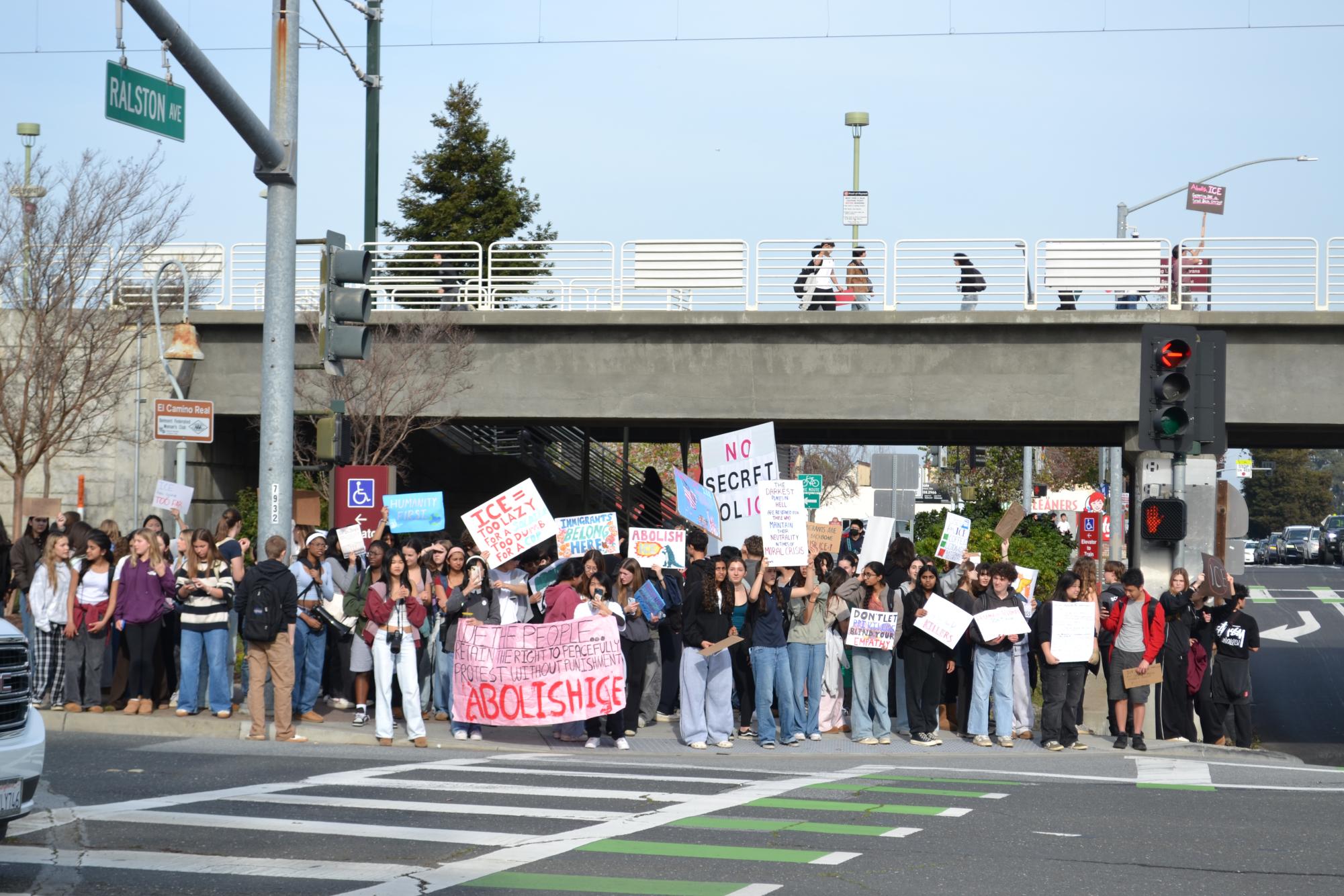
If teen-journalists organize ahead of time, they will minimize any potential issues when reporting in the field.


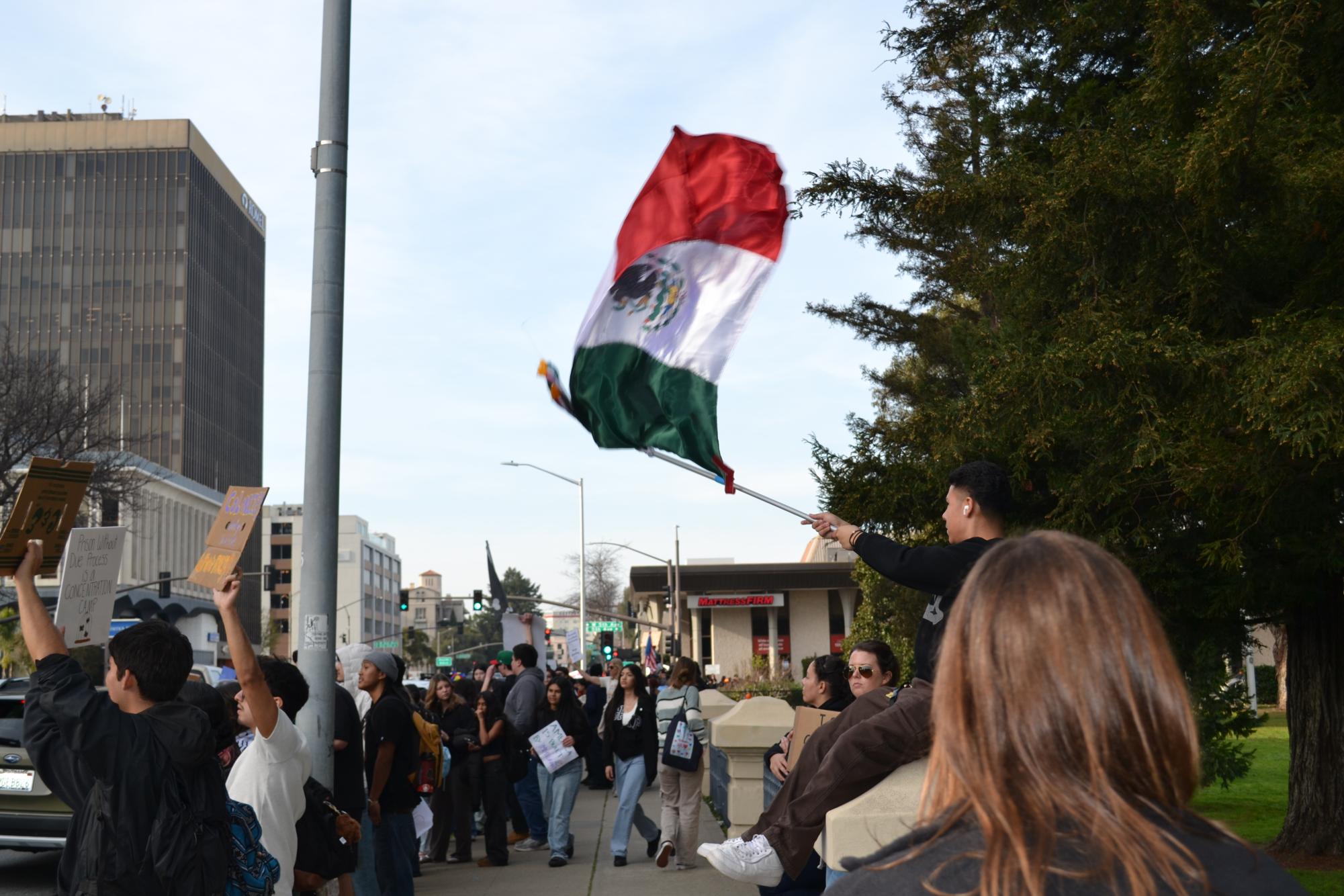
To lead and carry out an impactful protest, students and student-journalists alike must be educated and prepared to handle a variety of situations. (The Catalyst / Alexandra Charnas)
Donate to The Catalyst
$0
$500
Contributed
Our Goal

Your donation will support the student journalists of Notre Dame High School. Your contribution will allow us to purchase equipment and cover our annual website hosting costs.

More to Discover
Donate to The Catalyst
$0
$500
Contributed
Our Goal