In recent years, we’ve seen a boost when it comes to making sequels or spinning off past films/shows. When a film does well at the box office, the industry often asks, “Should we make a sequel?”. There are pros and cons to this, depending on the film choice to have a second or remade chapter. Producers may think about how the story feels unfinished and how the fans deserve more, but making a remake or a sequel takes away a perfectly good original piece of art.
The reason why spin-offs are so popular is that they appeal as a fresh new installation to audiences. “…some people really like the movie and want to see more of it, and they just want to see more of the plot and experience what other characters like in that movie”, said freshman Kashni Chopra.
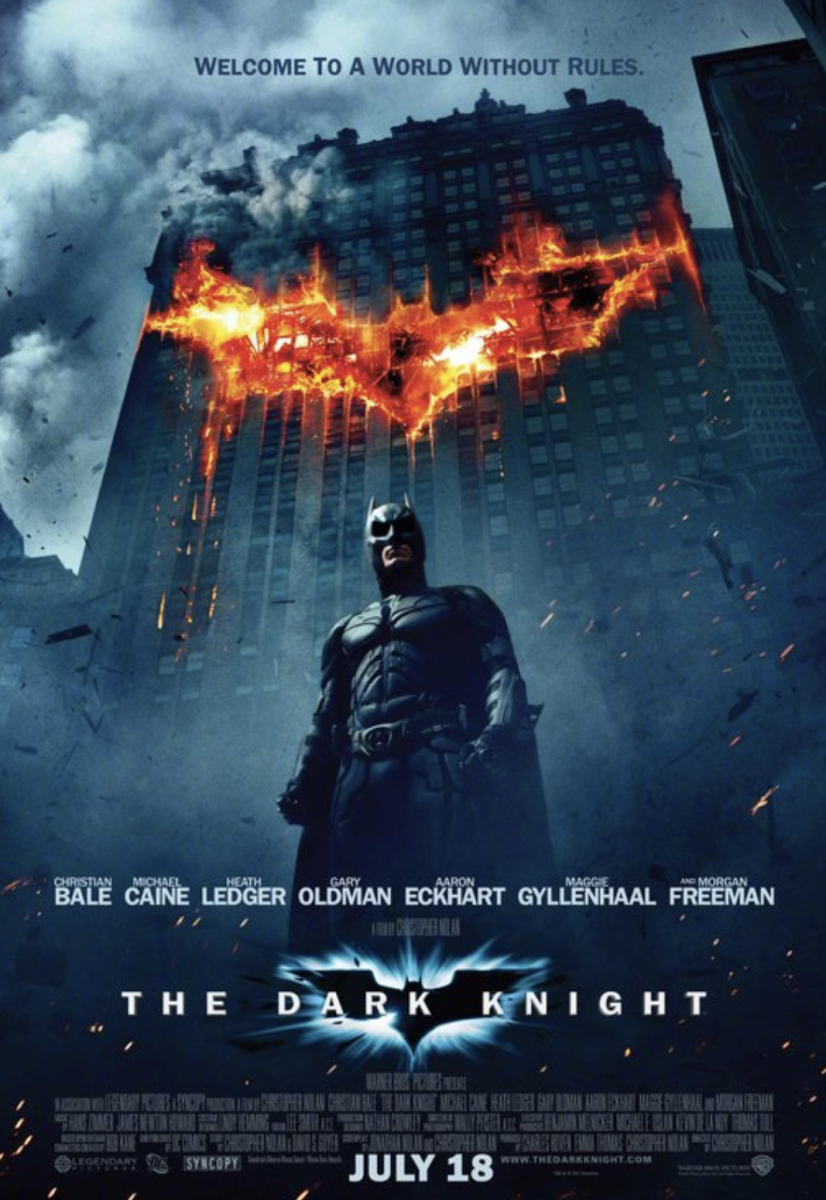
Sequels and spin-offs have been around for quite some time. The benefits of both are that they are either refreshing a story or following up on the story and giving the characters a second chapter. An example of a good and needed sequel would be the 2008 film “The Dark Knight,” directed by Christopher Nolan and starring Christian Bale as Batman. Considered to be one of the greatest films of all time, this film follows up on “Batman Begins” and continues to tell the tale of Batman trying to fix the city of Gotham from ruin. This was a needed sequel because Batman’s hero story wasn’t finished, and the audience needed more story for their improvement.
Spin-offs or remakes give a fresh new look to a film or TV series with new actors, a new director and a new interpretation of the story. For example, there have been four recorded film adaptations of Louisa May Alcott’s acclaimed 1868 novel “Little Women” (1933, 1949, 1994, 2019), one fresh look at the novel for each new generation. We remake classics to give a version of the younger generation that they can interact with more with more actors they know and maybe a more “modern” look. When used properly, sequels and spinoffs can be an enjoyable treat for younger and older generations.
The tricky thing with sequels and spin-offs is knowing when they are needed or not. A problem with films nowadays is that immediately when a film does well, producers instantly think, “How can I make more money and make a sequel?”. There have been some cases of sequels that have ruined franchises’ reputations and fans. An example of a group of sequels that got a bad reputation would be the three sequels to the 1975 classic “Jaws”. A mark in summer blockbusters such as “Jaws” may have deserved one sequel, but most definitely not three. Although the sequels didn’t give the original a bad reputation, the films themselves sure did and made some unwanted plot turns.
Spin-offs can be fun to watch and a cool breath of fresh air, but can also be poorly done and disconnected from the original’s appeal. An example of this is a television spinoff of “F.R.I.E.N.D.S” called “Joey”, which essentially follows the life of one of the friends, Joey Tribbiani, after the events of the show, starring Matt LeBlanc. The show was poorly executed and became forgotten fast, being cancelled after just 2 seasons. This gives an example of an unneeded spinoff that wasn’t worth watching.
Spin-offs and sequels can either be a joy or a pain to watch. It matters if the story itself needs the extension of the story, not just for profit. The new film “F1” that came out this summer was a smash hit at the box office and received critical acclaim. Because of this, people are discussing a sequel. Although it could be alright, does the plot really need a sequel? Since the film was an excellent standalone story, nothing needs to be added to the racer’s journey.
We need to know that some films should stay alone and let the rest of the story be up to the viewer. We need to view films as art again, rather than money-makers.